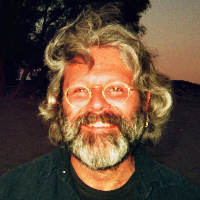
- 40 years experience
- Individual and couples
- Focus on life challenges
About Walter
He offers straightforward talk and creative methods tailored to each person. Sessions draw on approaches such as attachment work, client-centered listening, cognitive techniques, dialectical skills, and emotionally focused methods. The therapist explains options and then the client and therapist pick a path together.
Zeichner describes a practical, down-to-earth stance. He aims to help clients manage pain, sort through past wounds, and rebuild strengths for daily life. His background includes career counseling and a wide mix of therapeutic tools developed since the early 1980s.
In practice he listens for what matters most to each person and adjusts the work accordingly. People decide the pace and direction of therapy so progress fits their goals. That collaborative emphasis is central to how he approaches change.
He works with individuals and couples from his base in New Mexico. Sessions are conducted in English. Prospective clients complete an initial matching questionnaire and then schedule based on availability.
Areas of expertise
Primary focus
Also works with
Additional focus areas
Therapeutic approaches
Experience
40+ years
Credentials
Vermont, Oregon, New Mexico
Languages
English
How these approaches guide online work
Attachment-Based Therapy focuses on patterns in close relationships. It helps people identify how early bonds influence current reactions and supports building more secure ways of relating. Client-Centered Therapy centers the person's own experience and priorities, with the therapist offering attentive listening and reflection so people can find their own solutions. Cognitive Behavioral Therapy (CBT) looks at thoughts and behaviors that keep problems going and teaches practical steps to change those patterns and reduce distress.Finding the right approach is part of the work. The therapist will discuss goals, preferences, and what has helped or not helped before. Together the client and therapist choose techniques and shift them over time to fit changing needs and progress.
Session formats are not specified in the biography, so confirm current options before booking. Online sessions can make it easier to fit therapy into a busy day, allow for shorter check-ins when needed, and remove travel time. They can also let people continue care when dealing with chronic illness, caregiving responsibilities, or relocation. Licensed professionals and therapists typically adapt exercises and skill-building so the work translates to an online setting.
Frequently asked questions
What types of problems does he help with?
He supports people dealing with stress, anxiety, grief, depression, relationship concerns, addiction, trauma, self-esteem, eating and intimacy-related issues, and coping with life changes.
What is his therapy style like?
He uses a mix of client-centered listening, attachment work, cognitive and emotion-focused methods, and dialectical techniques. The work emphasizes practical skills and emotional understanding.
How much experience does this clinician have?
He has practiced since the early 1980s, bringing about 40 years of clinical experience to sessions.
What are his professional credentials and practice location?
He is listed as LPC and LCMHC and practices from New Mexico.
Which languages are supported for sessions?
Sessions are offered in English.
Can international clients work with him?
He does not take international clients at this time.
How are fees and billing handled?
Cost varies with location and therapist availability; sessions use a subscription that can be canceled at any time.
What are the steps to begin therapy?
Select the Start Therapy button, complete a short matching questionnaire, and then schedule sessions according to the therapist's availability.