- Strengths-based approach
- Practical coping skills
- English Hindi Nepali
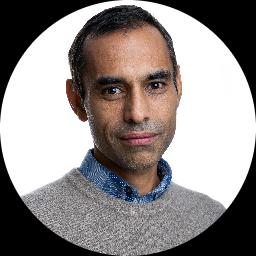
About Bhuwaneshor
Bhu works in a straightforward, person-centred way. He focuses on strengths and practical skills people can use day to day. Sessions aim to build motivation, increase self-awareness and help people find workable ways to cope with tough feelings and situations.
His background includes complex community mental health work and a senior practitioner role at a non-profit. That experience informed his approach to issues ranging from grief and loss to co-morbidity and serious mental health presentations. He brings a broad view of clients' circumstances into conversation rather than treating problems in isolation.
Bhu uses a mix of approaches, including Cognitive Behavioural Therapy, Acceptance and Commitment Therapy, Dialectical Behaviour Therapy and existential and client-centred work. He also draws on cultural, philosophical and mythological ideas when they suit a person's story and goals.
In sessions he aims to create a calm, respectful space where people can speak honestly. The emphasis is on practical learning - leaving with new skills, clearer thinking and renewed confidence for the next steps. He encourages collaboration so the work matches each person's values and life situation.
Areas of expertise
Primary focus
Additional focus areas
Therapeutic approaches
Experience
8+ years
Credentials
AASW · Australia
Languages
English, Hindi, Nepali
Therapeutic approaches and online care
Acceptance and Commitment Therapy (ACT) helps people clarify what matters most and take steps toward those values. It focuses on noticing thoughts without getting stuck and building small, meaningful actions to reduce suffering. Cognitive Behavioural Therapy (CBT) looks at the links between thoughts, feelings and behaviours and teaches practical techniques to change unhelpful patterns. These tools can be useful for anxiety, depression and coping with chronic health problems.Choosing the right approach is a collaborative process. The therapist will talk with the person about goals, preferences and what has or hasn't worked before. Together they decide which methods to try and adjust the plan as progress is made.
Practical benefits of online therapy include easier fitting of sessions into daily life, shorter check-ins when needed and fewer travel demands. Online work can make it simpler to access a therapist who speaks English, Hindi or Nepali. The exact session formats are not specified here, so confirm current options before booking to see what is offered and how they suit your schedule and needs.
Frequently asked questions
What concerns can I bring to sessions?
Common issues include stress, anxiety, grief, anger and depression, plus coping with life changes and health-related challenges such as chronic illness and cancer.
How would this therapist describe his approach?
The style is person-centred and strengths-based, focusing on practical skills and motivation. Techniques are blended from several evidence-based therapies to suit each person.
What experience does he have with complex cases?
He has eight years of post-graduate counselling and case management experience and has worked as a senior practitioner in community mental health settings.
Which credential does he hold and where is he based?
He is an AASW social worker and practises in Australia.
Which languages are available for sessions?
Sessions are offered in English, Hindi and Nepali.
Can people outside Australia book sessions?
International clients are not currently accepted.
How are costs and subscription handled?
Costs vary with location and therapist availability, and sessions use a subscription that can be cancelled at any time.
How do I begin a therapy process with him?
Start by selecting the Start Therapy button, completing a short matching questionnaire, and scheduling according to therapist availability.