- Person-centered care
- Practical coping skills
- Relationship focus
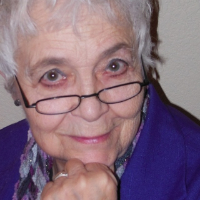
About Carol
She prefers a flexible, person-centered style that adapts to each person. Sessions focus on what is happening now and on practical skills for coping. She blends client-centered work with cognitive behavioral and dialectical behavior techniques to help with mood, relationships, and behavior changes.
Her approach also draws on emotionally focused and existential perspectives to address deeper relationship patterns and questions of meaning. With couples she emphasizes communication, identifying strengths, and addressing caregiver fatigue when chronic medical issues are present. The goal is to set clear steps forward that feel manageable.
Her practice includes work with people affected by chronic pain, long-term illness, cancer, or disability and the ripple effects on family life. She has experience supporting caregivers and those facing blended-family dynamics or family-of-origin issues.
As a former professor and supervisor she integrates many techniques and adjusts them to the person in front of her. Therapy is described as a chance to learn tools and make changes, and she invites people to explore goals and next steps together.
Areas of expertise
Primary focus
Also works with
Additional focus areas
Therapeutic approaches
Experience
30+ years
Credentials
California, Arizona
Languages
English
How these approaches can work online
Client-Centered Therapy focuses on listening and reflecting what matters to the person, helping them feel understood and supported while exploring choices and goals. This approach is useful for stress, grief, identity questions, and adjusting to health challenges.Cognitive Behavioral Therapy (CBT) looks at how thoughts, feelings, and behaviors connect and teaches practical skills to shift unhelpful patterns. It can help with anxiety, depression, sleep problems, and coping with chronic illness.
Dialectical Behavior Therapy (DBT) emphasizes emotion regulation, distress tolerance, and clearer communication. Those tools often help with strong emotions, relationship conflicts, and managing impulsive or self-harming behaviors.
Finding the right approach is a collaborative process. The therapist will talk with the person about goals and preferences, then combine methods that fit the situation. That shared planning helps keep sessions focused and useful.
Confirm current session formats before booking so you know what is offered. Online work can make it easier to fit therapy into a busy life, allow shorter check-in times when needed, and reduce travel time. These practical advantages can help people maintain momentum while they practice new skills and manage life with health challenges.
Frequently asked questions
What kinds of problems does she help with?
She works with stress, anxiety, depression, addiction, trauma, grief, relationship and intimacy issues, parenting and family concerns, caregiver fatigue, chronic illness and pain, and related struggles.
How would you describe her therapy style?
Her style is adaptable and person-centered, focusing on practical coping skills and clearer communication while also addressing deeper meaning and relationship patterns.
How much clinical experience does she have?
She has three decades of clinical experience and has worked in roles as a therapist, professor, and supervisor.
What are her credentials and where is she based?
She is a LMFT licensed in California and Arizona and practices from California.
Which languages are sessions offered in?
Sessions are offered in English.
Does she work with international clients?
She does not accept international clients at this time.
How are fees and billing handled?
Cost varies by location and depends on the subscription model used; the subscription can be canceled at any time.
How do I begin therapy with her?
Use the Start Therapy button, complete a short matching questionnaire, and schedule based on therapist availability.