- Client-centered
- Attachment-focused
- Practical strategies
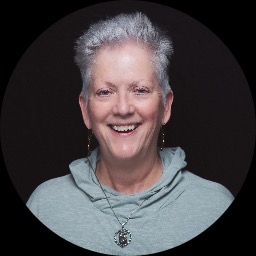
About Cynthia
Her work often includes support for people in the LGBT community and those affected by cancer. She helps people who are coping with life changes, caregiving strain, addictions, and relationship or family conflict. Cynthia also addresses grief, parenting challenges, anger, self-esteem issues, and attention-related concerns like ADHD.
Cynthia uses practical therapy methods that focus on how people relate to others and to themselves. She draws on attachment-based work to look at relationship patterns, client-centered work to follow each person’s lead, and cognitive behavioral ideas to change unhelpful thinking and behavior. Mindfulness and motivational interviewing are woven in when they fit the client’s goals.
In sessions she aims for clear, respectful conversation and realistic steps to try between meetings. She adapts the pace and focus to what each person needs, and helps set short-term goals as well as longer-term ones. Cynthia encourages courage in taking the first steps toward change and offers steady support through that process.
People who want a therapist who listens, validates, and helps create concrete next steps may find her approach useful. Before booking, confirm current session formats and scheduling options.
Areas of expertise
Primary focus
Also works with
Additional focus areas
Therapeutic approaches
Experience
30+ years
Credentials
California
Languages
English
Therapeutic approaches and how they translate online
Attachment-based work looks at how early relationship patterns affect current connection and trust. Online sessions can use this approach to notice patterns in how someone talks about close relationships and to practice new ways of relating in conversation.Client-centered therapy focuses on listening, acceptance, and following the client's priorities. In remote sessions this means the therapist aims to reflect concerns clearly and ask questions that help the person organize their thoughts and goals.
Cognitive behavioral ideas help people see links between thoughts, feelings, and actions, and try small experiments to change unhelpful habits. This approach often uses short homework tasks between sessions that fit into daily life, which can be easy to coordinate when working remotely.
Choosing the right approach is a team effort. The therapist will talk with the client about goals, preferences, and what feels most helpful. They will try different ways of working and adjust plans together as needed.
Confirm the session formats available before booking so they match your schedule. Many people find online work useful because it can reduce travel, make it easier to fit sessions into a workday, and support regular check-ins when life feels busy. Ask about practical options when you start the process so sessions fit your routine and needs.
Frequently asked questions
What concerns does Cynthia help with?
She works with stress, anxiety, depression, trauma and abuse, grief, addictions, and relationship and family difficulties, among other concerns listed in her profile.
What is her general therapy style?
Her style is respectful and practical. She listens first, follows the client's lead, and helps set realistic steps to try between sessions.
How much experience does she have?
She has 30 years of professional experience working in California settings with a wide range of concerns.
What credentials and location are listed?
She is a LCSW - licensed clinical social worker - practicing in California as noted in her profile.
Which languages are supported?
Sessions are offered in English.
Can people outside the U.S. work with her?
She does not accept international clients at this time.
How are costs and billing handled?
Cost varies with location and therapist availability; sessions use a subscription that can be canceled at any time.
How do I begin working with her?
Use the Start Therapy button, complete a short matching questionnaire, and schedule according to the therapist's availability.