- Collaborative approach
- Practical strategies
- Focus on relationships
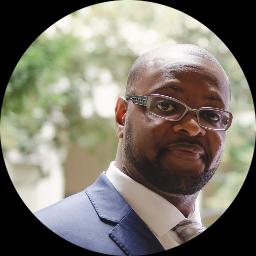
About David
He uses a collaborative style in sessions, asking questions and listening closely to what matters most to each person. He emphasises empathy, respect and openness so clients can feel understood while they sort through difficult feelings. Sessions can be short term or longer, depending on the issues and goals.
David draws on several practical approaches, including Client-Centred Therapy and Cognitive Behavioural Therapy (CBT), and adapts the work to fit each person. That means some sessions focus on changing unhelpful thoughts and behaviours, while others prioritise exploring feelings and improving relationships.
He also addresses matters such as attachment and abandonment worries, caregiving stress, chronic illness and pain, communication problems, addiction, grief and issues around fatherhood. David supports people who feel isolated, empty, or stuck when thinking about life purpose.
David holds the credential NCPS, and he has worked in counselling for ten years. He practices from the United Kingdom and offers sessions in English. If someone wants straightforward, steady support to make sense of their situation, he invites them to consider whether his way of working feels like a fit.
Areas of expertise
Additional focus areas
Therapeutic approaches
Experience
10+ years
Credentials
NCPS · United Kingdom
Languages
English
How his approaches work in online counselling
Client-Centred Therapy focuses on listening and understanding. The counsellor creates space for people to speak at their own pace, which helps when dealing with anxiety, low self-esteem or life changes. Cognitive Behavioural Therapy, or CBT, looks at the links between thoughts, feelings and actions and offers practical steps to change unhelpful patterns. Emotionally-Focused Therapy helps people recognise and shift the feelings that affect how they relate to others.Finding the right approach is part of the work. David will discuss goals and preferences and will help decide whether a person would benefit more from a listening-based, emotion-focused or practical, skills-based route. This is a collaborative process and can change as the work progresses.
The original biography does not list which online session formats are used, so confirm current options before booking. Online sessions can make it easier to fit counselling into daily life, for example by reducing travel, allowing quieter timing around work, or offering shorter check-ins when needed. Many people find remote sessions help them keep consistency while they work on stress, trauma, coping with illness or rebuilding confidence.
Frequently asked questions
What kinds of problems does he help with?
He works with stress, anxiety, trauma and abuse, self-esteem and depression, plus life changes and coping with long-term illness or pain.
What is his therapeutic style like?
Sessions are collaborative and client-centred. He combines listening with practical tools so people can try things between sessions.
How much experience does he have?
He has ten years of experience working as a counsellor with a range of concerns and personal challenges.
What credential does he hold and where is he based?
He holds the NCPS credential and practises in the United Kingdom.
Can I work with him if I live outside the UK or speak another language?
Sessions are offered in English and he accepts international clients.
Which session formats are available?
The original biography does not list specific session formats, so please confirm current session options before booking.
How are fees arranged?
Cost varies with location and therapist availability; sessions use a subscription that can be cancelled at any time.
How do I begin working with him?
Use the Start Therapy button, complete a short matching questionnaire, and then schedule according to therapist availability.