- Client-centered focus
- CBT and mindfulness
- Supports life challenges
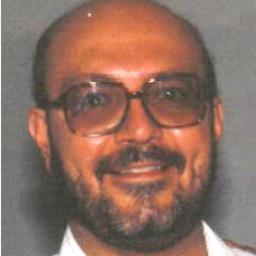
About David
He uses straightforward conversation to sort out what matters most to each person. He listens for patterns that keep problems repeating and helps identify small, doable steps toward change. Sessions often involve looking at thoughts and behavior, noticing how values shape choices, and practicing new ways to cope.
Many people come with complicated situations like chronic pain, illness, or difficult relationships. He pays attention to how these life events affect mood, motivation, and daily routines. He also addresses issues tied to abandonment, attachment, fatherhood, and first responder stress when these come up.
Dr. Posipanka blends several approaches to match a person’s needs. That can include client-centered listening, cognitive behavioral techniques to shift thinking and behavior, mindfulness skills to reduce reactivity, and motivational methods to build commitment to change. He works at the person’s pace and focuses on clear goals.
He practices in Pennsylvania and communicates in English. International clients can be seen. To begin, people follow the site steps to match and schedule a first appointment.
Areas of expertise
Primary focus
Additional focus areas
Therapeutic approaches
Experience
30+ years
Credentials
Pennsylvania
Languages
English
Using therapy approaches that fit your everyday life
Client-Centered Therapy focuses on listening and understanding the person’s experience. The therapist follows the client’s lead, reflects what is said, and helps people feel heard so they can make changes at their own pace.Cognitive Behavioral Therapy, or CBT, looks at the link between thoughts, feelings, and actions. It helps people identify unhelpful thinking patterns and try small behavior changes to reduce anxiety, depression, and addiction-related habits.
Finding the right approach is part of the work together. The therapist will talk with the client about goals, try methods that match those goals, and adjust as progress is made. That makes sessions collaborative rather than one-size-fits-all.
Confirm the available session formats before booking, since the biography does not list specific options. Online therapy can make it easier to fit sessions into a busy life by reducing travel time, allowing shorter check-ins around work breaks, or offering alternatives when bandwidth is limited. Licensed professionals can carry out the same kinds of conversations and skill practice online as in person, and the therapist will help choose the best way to meet individual needs.
Frequently asked questions
What kinds of problems does this therapist address?
He helps with stress, anxiety, addictions, parenting issues, depression, and coping with life changes. He also works with concerns like chronic pain, attachment issues, and first responder stress.
What is his therapy style like?
He uses a direct, conversational style that focuses on listening and practical steps. Sessions combine reflective listening with techniques to change thinking and behavior.
How much experience does he have?
He has 30 years of professional experience working with adults on a wide range of emotional and behavioral concerns.
What credentials and location are listed?
He holds the LPC credential, licensed in Pennsylvania, and sees clients from that state and beyond.
Which languages are supported for sessions?
Sessions are offered in English and international clients are accepted.
What session formats are available?
Please confirm current session options before booking, as the biography does not list specific formats. The site matching process will note what formats are offered.
How are fees and payment handled?
Cost varies with location and therapist arrangements; sessions use a subscription that can be canceled at any time.
How do I start working with him?
Use the Start Therapy button, complete a short matching questionnaire, and schedule according to the therapist’s availability.