- Anxiety and depression
- Trauma recovery
- Grief support
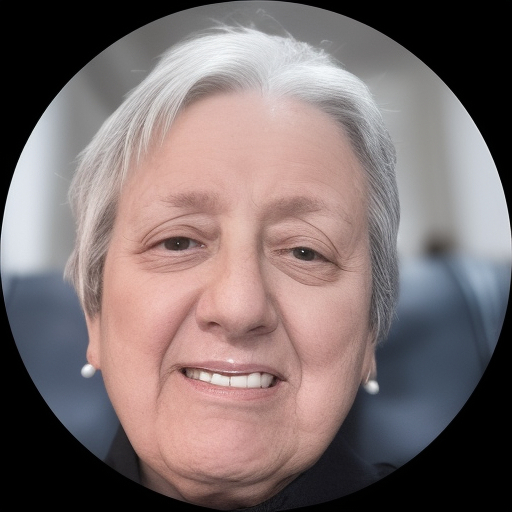
About Devona
Her approach centers on listening and collaboration. Sessions are meant to be a space where clients can speak honestly about painful memories and current struggles. Dee emphasizes practical steps and clear goals so progress feels real and measurable.
Dee uses methods from client-centered work and cognitive behavioral therapy to help people notice unhelpful thoughts and try different responses. Mindfulness techniques are offered to build calm and improve day-to-day coping. Trauma-focused work is used when past harm continues to affect present life.
She also supports people dealing with chronic pain, illness, caregiver stress, aging concerns, and complicated family history. Common themes she helps address include abandonment, codependency, communication problems, and guilt or shame. First responder stress and recovery from domestic violence are included among her focus areas.
Sessions are intended to be respectful and paced to each person. Dee encourages people to bring what matters most to them and to set the pace for change. The goal is clearer thinking, steadier moods, and more choices in how to respond to life’s challenges.
Areas of expertise
Additional focus areas
Therapeutic approaches
Experience
30+ years
Credentials
Indiana
Languages
English
How therapeutic approaches translate to online sessions
Client-Centered Therapy focuses on listening and responding to each person with respect. It helps when people need a space to be heard and to work out what matters to them. Cognitive Behavioral Therapy (CBT) looks at thoughts and behaviors and teaches practical skills for changing negative patterns. It is often used for anxiety, depression, and stress management.Finding the right approach is part of the work together. The therapist will talk with each person about goals, history, and what feels comfortable. That conversation guides which methods are used, and adjustments are made along the way so the plan fits the client's needs and preferences.
The therapist's biography does not name specific session formats, so confirm current options before booking. Online work can make it easier to fit sessions into a busy week, reduce travel time, and allow shorter check-ins when needed. It also makes scheduling around caregiving, medical appointments, or fluctuating energy levels more practical. Licensed professionals can adapt the pace and tools used in sessions to fit each person's routine and goals.
Frequently asked questions
What concerns can be addressed in therapy here?
She helps people work through stress, anxiety, trauma and abuse, grief, self-esteem struggles, and depression, along with related issues like chronic illness, caregiver stress, and codependency.
What is the therapy style like?
Sessions are collaborative and client-centered, with an emphasis on listening and practical steps. Cognitive behavioral and mindfulness techniques are used to change unhelpful thoughts and build coping skills.
How much clinical experience does the therapist have?
The clinician brings 30 years of professional clinical experience to her practice, working with a wide range of concerns over that time.
What credentials and location are listed?
She is an LMHC licensed in Indiana and practices there.
In which languages are sessions offered?
Sessions are offered in English only, and international clients are not currently accepted.
What session formats are used?
The original biography does not specify session formats; please confirm current session options before booking.
How does payment and cost work?
Cost varies with location and therapist availability; sessions use a subscription that can be canceled at any time.
How do I begin working together?
Choose the Start Therapy button, complete a short matching questionnaire, and schedule based on the therapist's availability.