- Addictions support
- Trauma-informed care
- Relationship help
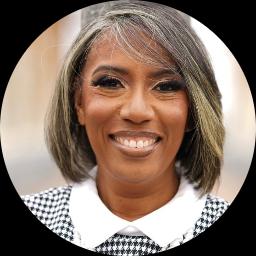
About Draughn
Draughn draws on several evidence-based techniques to shape sessions to each person. She often focuses on changing unhelpful thoughts and habits, building emotion regulation skills, and addressing the effects of past traumatic experiences. Work can include problem-solving for relationship difficulties and tools to manage mood swings related to bipolar disorder.
Her approach is collaborative and nonjudgmental. Clients set goals together with her and choose which strategies fit their life. The tone is direct but compassionate, with an emphasis on small, realistic changes that add up over time.
Draughn has six years of clinical experience and holds the LCSW credential, Licensed Clinical Social Worker. She practices in Texas and brings experience supporting people dealing with chronic pain, caregiver stress, blended family issues, and substance concerns alongside relationship problems.
If someone is managing long-term health conditions or chronic illness, Draughn incorporates practical coping skills and communication strategies into treatment. She also addresses abandonment and attachment issues, communication problems, and forgiveness work when those areas are part of a person’s concern.
Areas of expertise
Primary focus
Additional focus areas
Experience
6+ years
Credentials
Texas
Languages
English
How therapy approaches translate to online care
Many of Draughn's methods help people change patterns and manage symptoms in day-to-day life. Cognitive Behavioral Therapy (CBT) focuses on identifying unhelpful thoughts and testing them with practical experiments, which can reduce anxiety and depressive symptoms. Trauma-informed care focuses on understanding how past harm affects current reactions and on building safety and coping skills for people who have experienced abuse or violence.Choosing the right approach is a collaborative process. The therapist discusses goals and preferences with each person and adapts techniques over time based on what helps. Sessions often mix skill-building, problem-solving, and processing, so the plan can shift as progress is made.
The original biography does not list specific online session formats, so confirm available options before booking. In general, online therapy can make it easier to fit sessions into a busy schedule, reduce travel time, and allow people to check in from a quiet moment during the day. It can also allow for shorter or more focused check-ins when a full session is hard to arrange. Talk with the therapist about how to shape sessions around work, caregiving, or medical appointments so therapy fits into everyday life.
Frequently asked questions
What concerns does Draughn commonly address?
She works with people facing addictions, relationship problems, trauma and abuse, low self-esteem, and bipolar-related challenges, plus related issues such as caregiver stress and chronic illness.
What is her therapeutic style like?
Her style is collaborative and straightforward, focusing on practical skills and clear steps clients can use between sessions.
How much clinical experience does she have?
She has six years of clinical experience working in behavioral health settings and with individuals dealing with substance concerns and trauma.
What credentials and location are listed?
She holds the LCSW credential, Licensed Clinical Social Worker, and practices in Texas.
Which languages are supported and does she work internationally?
Sessions are offered in English and she is not currently accepting international clients.
What session formats are available?
The original biography does not list specific session formats; please confirm current session options before booking.
How are fees handled?
Cost varies with location and therapist availability, and sessions use a subscription that can be canceled at any time.
How do I begin working with her?
Select the Start Therapy button, complete a short matching questionnaire, and schedule according to the therapist's availability.