- Strengths-based
- Practical tools
- End-of-life support
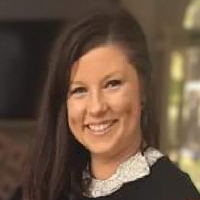
About Erin
She began her career in addiction services and later worked with adoption and foster care cases. Erin also supported families with young children around behavior and parenting strategies. More recently she has provided care in hospice settings, supporting patients and caregivers through end-of-life concerns.
Erin uses a gentle, practical style in sessions. She focuses on clients' strengths and on small steps that lead to change. Conversations will cover coping tools, problem-solving, and ways to reduce daily stressors.
Her practice addresses a wide range of concerns including compassion fatigue, workplace stress, relationship and family problems, trauma and abuse, parenting challenges, and issues related to aging, cancer, and caregiving. Erin also works with people facing depression, ADHD, addictions, and identity-related concerns in the LGBT community.
Sessions typically center on clear goals and collaborative planning. Erin encourages people to name what matters most to them and to try simple solutions between meetings. She helps track progress and adjust plans as needs evolve.
Areas of expertise
Primary focus
Also works with
Additional focus areas
Therapeutic approaches
Experience
14+ years
Credentials
North Carolina
Languages
English
How Erin's approaches guide online support
Client-Centered Therapy focuses on the person's own perspective. The therapist listens closely and follows the client's lead to help them name what matters and build on strengths. This approach can help with grief, identity concerns, stress, and caregiver strain.Solution-Focused Therapy zeroes in on small, practical steps toward change. It helps people identify clear goals and try concrete actions between sessions to move forward. This approach is useful for coping with life transitions, workplace issues, and everyday stressors.
Choosing the right approach is collaborative. Erin will work with each person to decide which methods fit their goals and preferences. That may mean using one approach more than another or mixing techniques over time to meet changing needs.
If you are considering online therapy, confirm the session formats Erin currently offers before booking. Online work can make it easier to fit therapy into a busy schedule, reduce travel time, and allow shorter check-ins when needed. It also lets people continue care when dealing with caregiving responsibilities, illness, or geographic limits. A therapist will help tailor session frequency and tasks so therapy fits into everyday life.
Frequently asked questions
What kinds of concerns can Erin help with?
She works with grief, coping with life changes, compassion fatigue, stress, anxiety, addictions, relationship and family issues, trauma and abuse, parenting, self-esteem, career concerns, depression, and ADHD, among other areas.
How would you describe Erin's therapeutic style?
Her style is client-centered and collaborative, focusing on strengths and practical steps. Sessions often include goal setting and brief problem-solving.
What is Erin's professional background?
Erin has 14 years of experience. She has worked in addiction services, adoption and foster care, family and parenting support, and hospice care.
What credential does Erin hold and where is she located?
She is an LCSW - Licensed Clinical Social Worker - licensed in North Carolina and practices there.
Are sessions offered in any languages besides English?
Sessions are offered in English only, and international clients are not currently accepted.
What session formats are available?
The original biography does not list specific session formats; please confirm current session options before booking.
How does payment and cost work?
Cost varies with location and therapist availability; sessions use a subscription model that can be canceled at any time.
How do I begin working with Erin?
Start by selecting the Start Therapy button, complete a short matching questionnaire, and schedule according to therapist availability.