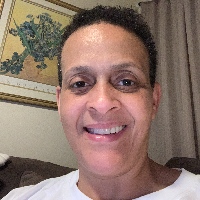
- Client-centered
- Practical coping tools
- Supports life changes
About Eugenia
Eugenia describes therapy as a collaborative process. She listens, reflects, and helps clients look at problems from different angles. She aims to help people find ways to cope with stressors and to identify their own strengths for solving problems.
Her background includes work across varied settings, including services for people in foster care, corrections, and inpatient or outpatient mental health programs. That experience informs a practical approach when people face long-term mental health conditions, addictions, mood disorders, or personality challenges.
In sessions she draws on client-centered methods and evidence-informed tools such as cognitive behavioral techniques, emotionally focused ideas, mindfulness, and motivational interviewing. Those approaches are used to help with anxiety, depression, trauma, relationship concerns, parenting strain, grief, chronic illness, and life transitions.
People who choose Eugenia can expect clear, straightforward conversation and a focus on practical steps. She aims to be an objective voice who helps clients widen their view and experiment with new ways of coping and relating.
Areas of expertise
Primary focus
Also works with
Additional focus areas
Therapeutic approaches
Experience
22+ years
Credentials
North Carolina
Languages
English
Approaches that translate to online care
No matter the setting, Eugenia often uses client-centered work to focus the session on what matters most to the person. This approach emphasizes listening, reflecting, and helping clients name their priorities and strengths.Cognitive behavioral therapy involves looking at thoughts and behaviors to test what is helpful and what is not. It is practical and can include short, actionable exercises between sessions to address anxiety, depression, and stress-related problems.
Emotionally focused ideas help people identify and shift interaction patterns and emotional responses that affect relationships and intimacy. These concepts can guide conversations about communication, attachment, and grief.
Finding the best approach is part of the work. Eugenia will collaborate with each person to decide which methods fit their goals and preferences and will adjust the plan as progress is made.
Confirm the available session formats before booking, since specific formats are not listed in the biography. Online sessions can make it easier to fit therapy into a busy week, allow shorter check-ins when needed, and remove travel time. Many people find these practical benefits help them keep therapy consistent and woven into daily life.
Frequently asked questions
What kinds of concerns does this therapist address?
She works with stress, anxiety, addictions, depression, trauma, grief, relationship and intimacy issues, parenting strain, bipolar disorder, ADHD, and related concerns.
How would you describe her therapeutic style?
She uses a client-centered approach and combines practical techniques from cognitive behavioral work, emotionally focused ideas, mindfulness, and motivational interviewing to help people try new ways of coping.
What is her background in mental health?
She holds a Master of Science in Mental Health Counseling and has over 22 years of experience working with mental health and substance use populations in a variety of settings.
Where is she licensed and based?
She is licensed in North Carolina as an LCMHC and practices from that state.
Are sessions offered in other languages or internationally?
Sessions are offered in English, and she accepts international clients.
What session formats are available?
Confirm the current session options before booking, as the biography does not list specific formats.
How are fees and billing handled?
Cost varies with location and therapist availability; sessions use a subscription that can be canceled at any time.
How do I begin working with her?
Choose the Start Therapy button, complete a short matching questionnaire, and then schedule according to the therapist's availability.