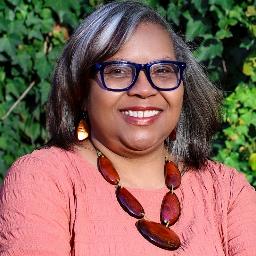
About Francine
With 28 years of practice, Francine uses a mix of approaches to meet individual needs. She draws on cognitive behavioral ideas to spot unhelpful thoughts and patterns. She also uses acceptance and commitment ideas to help people focus on values and small steps toward change.
Francine integrates emotionally focused work and dialectical skills for intense emotions and relationship strain. That combination can help people who are rebuilding after trauma or coping with chronic illness, caregiving strain, or loss. She also supports people navigating adoption or foster care issues, aging and geriatric concerns, cancer, and chronic pain or disability.
Her practice aims to be inclusive of LGBTQ and gender-diverse people. Francine describes her style as compassionate and sensitive, and she emphasizes practical changes that reduce day-to-day struggle. She encourages clients to notice what matters most and to try new behaviors in small, steady steps.
To begin, she asks people to identify goals and then chooses techniques that fit those goals. The emphasis is on clear, manageable work rather than long lists of techniques, so clients can track progress and adjust the plan as needed.
Areas of expertise
Primary focus
Additional focus areas
Therapeutic approaches
Experience
28+ years
Credentials
Tennessee
Languages
English
Therapeutic approaches and online care
Acceptance and Commitment Therapy (ACT) helps people clarify what matters and take small steps toward those values even when hard feelings are present. It is useful for anxiety, depression, and ongoing life stress. Cognitive Behavioral Therapy (CBT) focuses on identifying unhelpful thoughts and changing behaviors that keep problems going, which can help with depression, anxiety, and mood swings. Emotionally-Focused Therapy (EFT) looks at emotional patterns in close relationships and can help people communicate needs and repair connection.Choosing the right approach is a collaborative process. Francine will work with each person to match methods to their goals, needs, and comfort level. That means trying approaches and adjusting the plan if something is not helpful.
Confirm the available session options before booking, since specific formats are not listed in the profile. Online therapy can make it easier to fit sessions into a busy life by reducing travel time, allowing shorter check-ins when schedules are tight, and letting people participate from a quieter or more convenient spot. Licensed professionals can use these sessions to guide skills practice, process difficult experiences, and set clear goals that carry into everyday routines.
Frequently asked questions
What issues does Francine focus on?
She works with stress, anxiety, trauma and abuse, bipolar disorder, and depression, plus related concerns like caregiver stress, chronic pain and illness, adoption and foster care issues, and family problems.
How would you describe her therapy style?
Sessions are warm, respectful, nonjudgmental, and compassionate. The approach emphasizes collaboration and small, practical changes.
How much clinical experience does she have?
Francine has 28 years of experience in clinical practice working with a wide range of concerns and life stresses.
What credential does she hold and where is she located?
She holds the LCSW credential, listed as TN LCSW, and practices in Tennessee.
Which languages are offered and can international clients access services?
Sessions are offered in English, and she does accept international clients.
What session formats are available?
Please confirm current session options before booking as formats are not specified in the profile.
How is cost handled for sessions?
Cost varies with location and therapist availability; sessions use a subscription that can be canceled at any time.
What are the first steps to begin working together?
Select the Start Therapy button, complete a short matching questionnaire, and schedule according to therapist availability.