- Mindfulness focus
- Person-centered care
- Community-informed practice
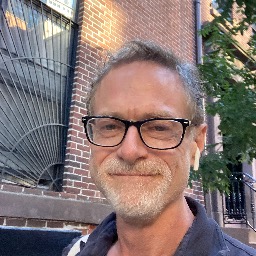
About Graham
Graham uses practical conversation to help people sort out stress, anxiety, depression, and relationship concerns. He also supports people facing substance use, sexual and intimacy questions, grief, and life transitions. Sessions often focus on how someone relates to themselves and to others in daily life.
He has worked in clinical roles, program management, and public health planning, and has collaborated with community partners on services for people living with HIV. That background informs a practice that pays attention to systems and the real-world barriers people encounter.
Graham describes a nonreligious, spiritual perspective in therapy and draws on approaches like mindfulness, motivational interviewing, and narrative work. He has experience addressing multicultural issues and raising awareness about racism and privilege in therapy conversations.
In sessions he aims to create a calm, attentive space where clients can examine values, identity, and practical next steps. People considering therapy are invited to think about what they want to change and to start with a short matching questionnaire before scheduling.
Areas of expertise
Primary focus
Also works with
Additional focus areas
Therapeutic approaches
Experience
14+ years
Credentials
Oregon
Languages
English
Approaches and what online work can look like
Graham draws on Client-Centered Therapy and Dialectical Behavior Therapy in his work. Client-Centered Therapy focuses on understanding a person from their own viewpoint and offering empathic listening to help clarify values and choices. Dialectical Behavior Therapy (DBT) brings concrete skills for managing intense emotions, reducing reactive behavior, and improving relationships in day-to-day life.Finding the right approach is part of the work. Graham collaborates with each person to match methods to their goals, preferences, and the problems they want to address. He will talk through what feels useful and adjust strategies as needs change.
If you are considering online sessions, confirm the available formats before booking so they fit your schedule. Many people find remote sessions easier to fit into work breaks, reduce travel time, or allow shorter check-ins when needed. Discuss options with the therapist during the initial scheduling step to determine what will work best for your routine.
Frequently asked questions
What concerns does this therapist commonly address?
Graham works with a broad range of issues including anxiety, depression, addictions, relationship and intimacy difficulties, grief, trauma, and life changes.
How would you describe his therapeutic style?
He uses a person-centered, existential approach with mindfulness and motivational interviewing techniques to support self-reflection and practical change.
What is his professional background?
He has 14 years in clinical and program roles, including mental health therapy, program management, and public health planning related to community services.
Where is he located and what is his credential?
He practices in Oregon and holds the LPC credential, which stands for Licensed Professional Counselor.
Which languages are available for sessions?
Sessions are offered in English.
Can people outside the U.S. work with him?
International clients are not currently accepted.
How does payment work and what does it cost?
Cost varies with location and therapist availability; sessions use a subscription that can be canceled at any time.
What are the first steps to begin therapy?
Click the Start Therapy button, complete a short matching questionnaire, and schedule based on the therapist's availability.