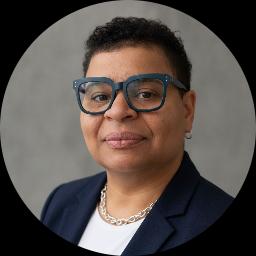
- Person-centered care
- LGBTQ+ affirmation
- Practical coping skills
About Hope
Hope uses a person-centered, trauma-informed style. Sessions aim to build practical coping skills, improve communication, and restore a sense of purpose. The therapist also helps people facing chronic illness, chronic pain, and aging-related concerns find ways to adjust to new limits.
Many clients come for help with panic, obsessive thoughts, mood shifts, or feeling isolated. Hope also addresses control issues, codependency, and the emotional effects of divorce or midlife transitions. Conversations focus on small, concrete steps that fit into daily life.
Hope has 16 years of clinical experience in counseling settings across Ohio. As an LPCC - Licensed Professional Clinical Counselor - they draw on evidence-based therapeutic techniques to guide sessions. Language of service is English and international clients are not accepted.
People who choose Hope can expect collaborative goal-setting and steady support through change. To begin, readers should use the site Start Therapy button to complete a short matching questionnaire and schedule according to the therapist's availability. Sessions use a subscription that can be canceled at any time.
Areas of expertise
Primary focus
Additional focus areas
Experience
16+ years
Credentials
Ohio
Languages
English
Evidence-based approaches and how they help online
Hope draws on evidence-based therapeutic techniques that focus on practical change. One common method helps people learn concrete coping skills for anxiety and panic, such as breathing strategies, step-by-step exposure to feared situations, and short behavioral experiments to test worries. This approach is useful for managing daily anxiety and obsessive thoughts.Another core method centers on person-centered, trauma-informed work that prioritizes the client's experience and pacing. That style supports people processing grief, identity exploration, or the emotional effects of chronic illness by creating a steady, respectful space and using gradual interventions that match each person's readiness.
Choosing the right approach is a collaborative process. The therapist will talk with each person about goals, preferences, and what feels most useful, then suggest techniques to try and adjust them over time based on progress and feedback.
Confirm current session options before booking so you know which formats are offered. Online work can make it easier to fit therapy into a busy life, reduce travel time, and allow shorter check-ins when schedules are tight. It also helps people keep continuity of care during life transitions while the therapist and client figure out the best cadence and techniques for reaching goals.
Frequently asked questions
What concerns does Hope commonly address?
Hope helps people with stress, anxiety, depression, grief, ADHD, and LGBTQ+ identity issues, plus related topics like chronic pain, isolation, and communication problems.
What is Hope's therapeutic style?
The approach is person-centered and trauma-informed, focusing on practical coping skills, improved communication, and gradual steps toward goals.
How much clinical experience does Hope have?
Hope has 16 years of experience working in counseling settings and brings that background to sessions in Ohio.
What are Hope's credentials and where are they located?
Hope holds the LPCC credential and practices in Ohio.
Which languages are supported for sessions?
Sessions are offered in English.
Can people outside the U.S. work with Hope?
International clients are not currently accepted; sessions are offered to those able to work within the therapist's regional practice.
How does billing and cost work?
Sessions use a subscription model that can be canceled at any time; exact cost varies with location and therapist availability.
How do I begin working with Hope?
Click the Start Therapy button, complete a short matching questionnaire, and schedule sessions according to the therapist's availability.