- Trauma and grief
- Relationship struggles
- Living with health challenges
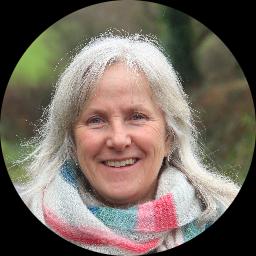
About Ingrid
She approaches counselling by first listening to a person's story and then looking at practical ways to cope. Sessions are intended to help people make sense of painful events and to notice patterns in feelings and behaviour. Ingrid encourages expressing emotions so that feelings like anger, shame or numbness can be understood and worked with.
Her background includes many years working in nursing within the NHS, specialising in cancer and cancer clinical trials, before focusing on counselling in private practice from 2011. That clinical experience informs her awareness of how physical illness and long-term health problems can affect mood and relationships.
In therapy she uses methods that draw on attachment, emotions and trauma, and she aims to come alongside clients at their own pace. The work often explores how past hurt, loss or abandonment can shape current difficulties and relationship patterns.
People are invited to look at how they manage day-to-day challenges and to build greater self-trust. Conversations are intended to uncover practical coping steps, strengthen self-worth, and help people move through grief, confusion or overwhelm toward clearer direction.
Areas of expertise
Primary focus
Also works with
Additional focus areas
Therapeutic approaches
Experience
14+ years
Credentials
BACP · United Kingdom
Languages
English
How her approaches translate to online counselling
Attachment-based work focuses on patterns in close relationships and how early bonds affect current trust and closeness. This approach can help when relationship struggles, abandonment or attachment issues feel overwhelming and you want clearer ways to connect or set boundaries.Emotionally-Focused Therapy (EFT) centres on identifying and processing strong emotions in the room. It helps people name what they feel, see how that feeling shapes behaviour, and practise different responses in relationships and stressful situations.
Finding the right approach is part of the therapeutic journey. The counsellor will talk with each person about their needs, goals and what feels most helpful, then decide together which methods to use. This is a collaborative process and the plan can change as the work progresses.
If you are considering online work, please confirm the session formats available before booking. Online sessions can make it easier to fit therapy into a busy life, reduce travel time and allow for shorter check-ins when needed. They can also help people who are coping with health conditions to access counselling without additional journeys. Registered or accredited professionals aim to adapt their methods so emotional processing and attachment work still take place effectively over distance.
Frequently asked questions
What kinds of problems does Ingrid help with?
She supports people dealing with stress, anxiety, relationship problems, trauma and abuse, grief, self-esteem difficulties and issues linked to long-term health challenges.
What is her general approach in sessions?
Her style is listening first and then working collaboratively on practical coping steps. She encourages exploring emotions and understanding how past experiences shape current reactions.
How long has she worked as a counsellor?
She has 14 years of professional experience and has run a private counselling practice since 2011.
What professional credential does she hold and where is she based?
She is listed with the BACP and practises in the United Kingdom.
In which languages can I speak with her?
Sessions are offered in English and she is able to work with international clients.
Which session formats are available?
Please confirm current session options before booking so you know how sessions are offered at the time you arrange therapy.
How much do sessions cost?
Cost varies with location and therapist availability; sessions use a subscription that can be cancelled at any time.
How do I begin if I want to work with her?
Use the Start Therapy button, complete a short matching questionnaire, and then schedule sessions according to therapist availability.