- Stress and anxiety
- Trauma and loss
- Chronic illness support
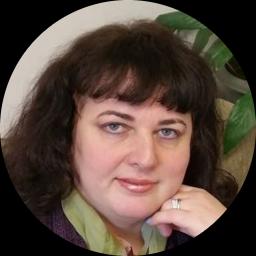
About Irina
She combines several therapy methods to match each person’s needs. That can include cognitive-behavioral techniques to change unhelpful thoughts and behaviors, interpersonal ideas to improve relationships, and psychodynamic perspectives to look at patterns from the past. She also uses relaxation practices like deep breathing and progressive muscle relaxation for anxiety and panic symptoms.
Irina pays attention to medical and social details that affect mental health. When a biopsychosocial assessment is needed, she coordinates care with psychiatrists and other specialists so treatment fits a person’s whole situation. This can be helpful for people living with chronic pain, illness, or disability who need integrated support.
She also works with concerns tied to immigration, isolation, self-esteem, and attachment wounds such as abandonment or codependency. Practical tools are paired with supportive listening to help people regain day-to-day functioning and reduce upsetting symptoms.
Her practice includes spiritual psychotherapy and guided imagery techniques for relaxation and sleep. Sessions focus on teaching concrete skills that can be used between meetings, alongside conversation about meaning, forgiveness, or life purpose when that is important to the person.
Areas of expertise
Additional focus areas
Experience
27+ years
Credentials
New York
Languages
English
How therapy methods translate to online work
Irina uses evidence-based techniques that focus on thoughts, behavior, relationships, and body-based calming. Cognitive-behavioral approaches help people identify and change unhelpful thoughts and behaviors, which is useful for anxiety, OCD, and mood concerns. Relaxation and guided imagery teach breathing, progressive muscle relaxation, and visualization strategies to reduce panic, improve sleep, and lower physical tension.Finding the right approach is a collaborative process. The therapist will work with the person to match methods to their goals and daily life. That means trying tools, checking what helps, and adjusting the plan over time rather than sticking to one fixed method.
Session logistics should be confirmed before booking since formats are not specified in the biography. Online therapy can make it easier to fit sessions into a busy schedule, handle follow-up check-ins, and practice relaxation exercises between meetings. It also lets people continue care when medical issues or mobility challenges make travel harder. Ask about current session options to see which arrangement fits best.
Frequently asked questions
What kinds of concerns can be addressed?
She helps people with stress, anxiety, depression, trauma and abuse, and coping with life changes. Additional areas include chronic pain or illness, attachment and abandonment concerns, and obsessive or panic symptoms.
How would you describe the therapy style?
Sessions mix practical techniques and supportive talk. Expect cognitive-behavioral tools, relaxation exercises, interpersonal discussion, and occasional psychodynamic reflection.
What is her background and experience?
She holds a New York LCSW and has 27 years of clinical experience working with a wide range of mood, anxiety, and trauma-related issues.
Where does she practice and what credential does she hold?
She practices in New York and is a Licensed Clinical Social Worker, listed as LCSW in the biography.
Which languages are used in sessions?
Sessions are offered in English.
Can I work with her from outside the U.S.?
International clients are not currently accepted.
How are fees and billing handled?
Cost varies with location and therapist availability, and sessions use a subscription that can be canceled at any time.
How do I begin therapy?
Use the Start Therapy button, complete a short matching questionnaire, and then schedule according to the therapist's availability.