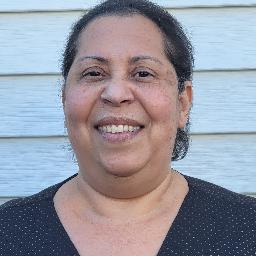
- Trauma aware
- Strengths focused
- English and Spanish
About Ivelisse
She began working in community mental health in 1995 and has more than 25 years of experience. Much of her early work was with children and youth, and over the last decade she has focused increasingly on adults and couples. Her background includes work with people facing serious emotional challenges, complex trauma, mood difficulties, and behavioral concerns that risk disruption to family life.
Ivelisse uses a flexible approach that starts by meeting people where they are. She looks for strengths to build on and helps identify barriers that get in the way of daily functioning. Sessions blend elements from client-centered therapy, cognitive behavioral techniques, solution-focused ideas, and trauma-focused methods as needed.
Her style is collaborative and practical. She helps clients learn emotion regulation skills, reframe unhelpful thoughts, and set small goals that add up over time. Parents and caregivers can expect clear guidance on managing conflict, behavior, and the stress that comes with caring for others.
Over the years she has taken additional trainings in trauma-focused work, grief therapy, and cognitive behavioral strategies. That experience informs treatment choices while keeping the work tailored to each person’s needs and life situation.
Areas of expertise
Primary focus
Also works with
Additional focus areas
Therapeutic approaches
Experience
25+ years
Credentials
New York
Languages
English, Spanish
How these approaches can work online
Client-centered therapy focuses on the person’s goals and perspective. The therapist listens deeply, reflects what she hears, and helps clients decide what changes matter most. This approach helps when someone needs support making sense of feelings or building confidence.Cognitive Behavioral Therapy (CBT) looks at how thoughts, behaviors, and feelings interact. Sessions teach simple skills to challenge unhelpful thoughts and try small behavioral changes. This method is often useful for anxiety, depression, panic, and mood regulation.
Finding the right approach is a team effort. The therapist will discuss options and adapt methods to the client’s needs and preferences. Decisions about pace and focus are made together so work fits the person’s goals and life situation.
Because specific session formats are not listed in the biography, confirm the current online session options before booking. Many people find that remote sessions make it easier to fit therapy into a busy day, reduce travel time, and allow for shorter check-ins when needed. Online work can also let a therapist and client use shared tools, homework, and skill-building between meetings to keep progress moving.
Frequently asked questions
What concerns does Ivelisse address?
She supports people dealing with stress, anxiety, trauma and abuse, parenting worries, depression, ADHD, relationship and family issues, grief, anger, self-esteem and mood disorders.
How would she describe her therapy style?
Her style is collaborative and down-to-earth. She meets people where they are, builds on strengths, and focuses on practical steps to manage emotions and day-to-day problems.
What experience does she bring to sessions?
She has more than 25 years working in mental health, with long experience in community-based programs and work across age groups including children, youth, adults, and recent work with couples.
Where is she based and what is her credential?
She is a Licensed Clinical Social Worker (LCSW) practicing in New York.
Which languages are supported?
Sessions are offered in English and Spanish.
Can international clients work with her?
She does not accept international clients at this time.
How are sessions paid for and what about cost?
Cost varies with location and therapist availability; sessions use a subscription that can be canceled at any time.
What is the first step to begin therapy?
Use the Start Therapy button, complete a short matching questionnaire, and schedule according to the therapist’s availability.