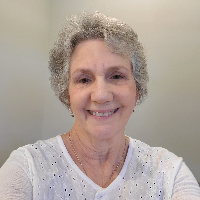
- 20 years experience
- Focus on relationships
- Helps with chronic illness
About Jane
She uses clear, down-to-earth language in sessions and focuses on helping people manage stress, anxiety, depression, and relationship struggles. Conversations typically look at what is happening now, what patterns keep repeating, and what small steps can change daily life. She also helps people facing grief, caregiving burden, chronic illness, and major life transitions.
Her work draws on approaches such as Acceptance and Commitment Therapy, Cognitive Behavioral Therapy, and Attachment-Based and Emotionally-Focused methods. Sessions tend to be collaborative - the person sets goals and the therapist offers tools and feedback. Jane pairs her professional experience with perspectives shaped by decades of family life.
She has particular interest in issues like abandonment, adoption and foster care concerns, caregiver stress, chronic pain and illness, eating and intimacy-related issues, and communication challenges. She also supports people managing bipolar disorder symptoms, addictions, sleep problems, and compassion fatigue.
If someone is unsure where to begin, she asks a few practical questions to match therapy to everyday needs and priorities. Prospective clients should confirm current session options before booking.
Areas of expertise
Primary focus
Also works with
Additional focus areas
Therapeutic approaches
Experience
20+ years
Credentials
South Carolina
Languages
English
Approaches that translate to online work
Acceptance and Commitment Therapy (ACT) helps people notice thoughts and feelings without getting stuck in them, then choose actions that match their values. It is useful for anxiety, stress, and making life changes. Cognitive Behavioral Therapy (CBT) focuses on spotting unhelpful thinking and testing new behaviors to reduce symptoms like depression and sleep problems. Attachment-Based Therapy looks at relationship patterns and how early bonds affect current connections, which can help with intimacy and communication issues.Choosing the right approach is a team effort. The therapist will talk with the client about goals, daily routines, and what feels manageable. Together they pick methods and try them out, adjusting as work progresses to fit the person's needs and preferences.
Session formats are not specified in the available biography, so confirm current options before booking. Online therapy can make it easier to fit sessions into a busy life, shorten travel time, and allow check-ins that work around work or caregiving schedules. Some approaches lend themselves to focused skills practice or brief check-ins, while others use longer conversations about relationships and history; the therapist will recommend what might fit based on each person's situation.
Frequently asked questions
What concerns does she address most often?
She works with stress, anxiety, depression, relationship and intimacy concerns, grief, addictions, sleep problems, and caregiver or chronic illness challenges.
What is her therapy style like?
She uses a straightforward, collaborative approach that focuses on steps people can try between sessions and on understanding patterns that affect daily life.
How much clinical experience does she have?
She has 20 years of experience, including many years in private practice following work in community and office settings.
What credentials and region apply to her practice?
She holds the Licensed Professional Counselor credential (LPC) and practices in South Carolina.
Which languages are available for sessions?
Sessions are offered in English.
Can people outside the United States work with her?
She does not accept international clients at this time.
How are fees and billing handled?
Cost varies with location and therapist availability; sessions use a subscription that can be canceled at any time.
What should I do to start therapy?
Select the Start Therapy button, complete a short matching questionnaire, and schedule according to the therapist's availability.