- Stress and anxiety
- Grief and loss
- Chronic illness support
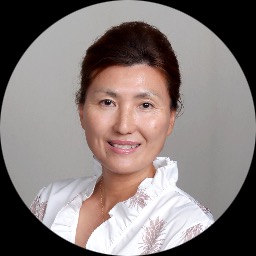
About Jookyoung
She focuses on practical steps people can use between sessions. That might mean noticing unhelpful thoughts, trying small behavior changes, or practicing ways to tolerate strong feelings. She pays attention to attachment concerns and how relationships affect mood and self-worth.
Many clients come for help with caregiver stress, chronic pain or illness, and feelings of isolation or shame. She also supports people working on communication problems, control issues, and building self-love. Sessions center on the client’s goals and everyday challenges rather than jargon-filled explanations.
Her work pulls from several approaches, including acceptance and commitment ideas, cognitive behavioral tools, attachment-based thinking, and client-centered listening. She aims to balance practical skills with room to talk about meaning, values, and losses.
People who meet with her can expect an open, nonjudgmental atmosphere where the therapist listens first and offers options second. The process is collaborative - she helps clients try different strategies and keeps adjusting based on what helps in daily life.
Areas of expertise
Also works with
Additional focus areas
Therapeutic approaches
Experience
16+ years
Credentials
Florida, Massachusetts, Nevada
Languages
English, Korean
How different approaches guide online sessions
Acceptance and Commitment Therapy (ACT) focuses on noticing thoughts and committing to actions that match personal values. It can help people who feel stuck by encouraging small, value-driven steps rather than getting caught up in trying to eliminate difficult thoughts. Cognitive Behavioral Therapy (CBT) looks at patterns of thinking and behavior and provides concrete tools to reduce symptoms like anxiety and low mood. It often includes short, doable exercises to practice between appointments.Finding the right approach is part of the work. The therapist collaborates with each person to see what fits their needs, goals, and preferences. Early sessions are used to try methods, gather feedback, and adjust the plan so techniques feel useful in daily life.
Confirm current session formats before booking to know which online options are supported. Many people find online sessions helpful because they can fit appointments into a busy day, use shorter check-ins when needed, or avoid travel when managing pain or fatigue. Online work can also make it easier to include regular practice of skills in real-life routines. Licensed professionals tailor pacing and tools to match what clients can realistically do between meetings.
Frequently asked questions
What concerns does she help with?
She works with people dealing with stress, anxiety, grief, depression, and coping with life changes. Additional focuses include caregiver stress, chronic pain or illness, isolation, and self-esteem.
How would you describe her therapy style?
The style is practical and collaborative. She listens attentively, then offers skills and ideas clients can try between sessions.
What background and experience does she bring?
She has 16 years of clinical experience working with a range of emotional and life concerns. That experience informs a grounded, straightforward approach.
What credentials and where is she based?
She is a Licensed Clinical Social Worker - LCSW - and practices from Florida.
Which languages are supported in sessions?
Sessions are offered in English and Korean. International clients are also accepted.
What session formats are available?
Confirm the current session formats before booking so you know whether online or other options are offered.
How does payment and cost work?
Cost varies by location and therapist availability. Sessions use a subscription that can be canceled at any time.
How do I get started with therapy?
Click the Start Therapy button, complete a short matching questionnaire, and schedule according to the therapist’s availability.