- Practical coping skills
- Collaborative goal setting
- Experience with trauma
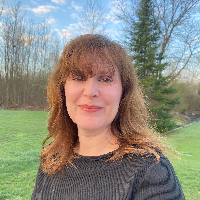
About Karen
Her background includes work in outpatient community mental health, inpatient psychiatric care, and home-based family services. That range gives her experience with a wide variety of concerns, including trauma, addictions, mood disorders, and parenting stress. Karen listens first and then helps people pick practical steps that fit their life.
Her approach mixes client-centered talk with behavioral tools. She uses Cognitive Behavioral Therapy to address thoughts and actions that keep problems stuck. Dialectical Behavior Therapy skills are used when strong emotions need managing and mindfulness methods help people stay present and steady.
Sessions focus on clear, doable strategies for coping with chronic pain, adjustment after divorce or adoption issues, and the strain of caregiving or first responder work. She also helps with eating concerns, obsessions and compulsions, panic, postpartum and seasonal mood changes. The work aims to reduce overwhelm and build reliable coping skills.
Karen collaborates with each person on goals and next steps. She encourages people to try small changes and notices what works. Her style is practical, patient, and goal-oriented, with an emphasis on safety and realistic progress.
Areas of expertise
Primary focus
Also works with
Additional focus areas
Therapeutic approaches
Experience
22+ years
Credentials
New York
Languages
English
How therapeutic approaches translate to online care
Client-Centered Therapy focuses on creating an open, nonjudgmental space where the person leads the conversation and the therapist reflects and responds. This approach helps people feel heard and clarifies what matters most to them. Cognitive Behavioral Therapy (CBT) looks at the links between thoughts, feelings, and actions and uses practical exercises to change patterns that cause distress. CBT is often useful for anxiety, depression, panic, and mood disorders.Finding the right approach is a collaborative process. The therapist will ask about current concerns, goals, and daily routines and then suggest methods that fit the person's needs. They will check in over time and adjust the plan based on what helps and what does not.
If you are considering online therapy, confirm the session options before booking so you know which formats are offered. Many people find online work helps fit therapy into a busy week, reduces travel time, and makes it easier to attend regular check-ins. Online sessions can support continuing skills practice between meetings and allow for flexible scheduling around work, caregiving, or medical appointments.
Frequently asked questions
What kinds of concerns does she address?
She helps people with stress, anxiety, depression, grief, relationship strain, anger, addictions, trauma and abuse, eating concerns, parenting challenges, and coping with life changes.
What is her therapeutic style?
The approach is client-centered and collaborative, using practical methods like Cognitive Behavioral Therapy, Dialectical Behavior Therapy, mindfulness, and motivational interviewing to build skills and make small changes.
How much experience does she have?
She has 22 years of counseling experience across outpatient community mental health, inpatient psychiatric settings, and home-based family services.
Where is she licensed and located?
She is a licensed mental health counselor (LMHC) in New York and practices from that state.
Which languages are supported?
Sessions are offered in English.
Can international clients work with her?
International clients are not currently accepted.
How are fees and billing handled?
Cost varies with location and therapist availability; sessions use a subscription that can be canceled at any time.
What are the first steps to begin?
Select the Start Therapy button, complete a short matching questionnaire, and schedule sessions according to the therapist's availability.