- Stress and anxiety
- Trauma recovery
- Practical skills
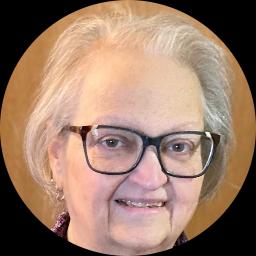
About Kelly
Mattis listens for patterns in family history, communication, and daily stressors. She uses that information to help clients understand how past experiences shape current reactions. Sessions often include learning new communication skills and ways to handle worry or panic in the moment.
She also supports people facing chronic illness, caregiver burnout, aging concerns, and grief tied to abandonment or loss. Work with money worries, control issues, isolation, and questions about life purpose is part of her practice. Trauma-related concerns such as post-traumatic stress and recovery from abuse are included in her focus.
Her style blends practical skill-building with space to process difficult emotions. Clients leave sessions with concrete tools to try between meetings. Over time the goal is clearer thinking, steadier moods, and improved connections with others.
Mattis holds credentials as an LPCC, which stands for Licensed Professional Clinical Counselor, and an LPC-MH, which indicates a Licensed Professional Counselor with a mental health designation. She practices in North Dakota and conducts work in English.
Areas of expertise
Primary focus
Additional focus areas
Experience
28+ years
Credentials
North Dakota, South Dakota, Minnesota
Languages
English
Approaches that guide online support
Kelly L Mattis works from evidence-based therapeutic techniques that focus on practical coping and recovery. One approach emphasizes learning concrete skills for managing anxiety and panic, such as grounding and short behavioral strategies to interrupt worry. This helps people gain control over sudden symptoms and reduce avoidance over time.Another area centers on communication and relationship skills. That work teaches ways to express needs, set boundaries, and repair misunderstandings, which can ease ongoing conflict and improve connection. A trauma-informed direction supports processing difficult memories at a pace the person can tolerate, reducing their hold on daily life.
Finding the right approach is a collaborative process. The therapist will talk with each person about goals, preferences, and what has or hasn't helped before. Together they choose techniques that fit the client’s situation and adjust the plan as progress is made.
If you want online care, confirm the current session options before booking since formats are not listed here. Online work can make it easier to fit sessions into a busy week, shorten check-ins when needed, and reduce travel time. Many people find it simpler to stay consistent with therapy when sessions can be scheduled around work, caregiving, or medical appointments.
Frequently asked questions
What concerns does this therapist help with?
Common areas include stress, anxiety, depression, relationship issues, and trauma and abuse. Additional focus areas include chronic pain and illness, caregiver stress, isolation, and life purpose questions.
How would you describe the therapeutic style?
The approach is practical and adaptive, combining skill-building with time to process emotions. Sessions emphasize learning communication strategies and coping tools clients can use between meetings.
How much experience does this clinician have?
The therapist has 28 years of clinical experience working with adults and young adults on a range of emotional and life challenges.
What credentials and region are listed?
The clinician holds LPCC and LPC-MH credentials and practices in North Dakota.
Which languages are supported?
Sessions are offered in English.
Are international clients accepted?
International clients are not currently accepted.
How does billing and cost work?
Cost varies with location and therapist availability, and sessions use a subscription that can be canceled at any time.
What are the steps to begin therapy?
Use the Start Therapy button, complete a short matching questionnaire, and then schedule according to therapist availability.