- Trauma-informed approach
- Mindfulness practices
- Practical coping skills
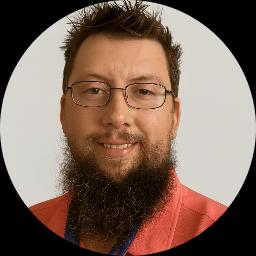
About Kurt
Kurt uses short-term and skills-based methods to help people manage day-to-day difficulties. He turns big problems into manageable steps and helps clients build tools they can use between sessions. Mindfulness practices are woven into sessions to increase emotional awareness and calm in stressful moments.
He also works with people coping with trauma and abuse, and with related issues such as abandonment, family of origin problems, and substance use concerns. Kurt describes his approach as grounded and compassionate, focused on resilience rather than blame. He aims to meet people where they are and move at a practical pace.
RuffStuff Counseling offers a mix of in-person work in Montana and remote options for people across rural areas of the state. Kurt pays attention to accessibility and community needs, especially for veterans and people facing housing instability. He explains processes clearly so clients know what to expect at intake and during treatment.
Sessions are collaborative and goal oriented. Kurt helps clients set simple, realistic goals and tracks progress over time. People who want direct guidance, hands-on coping strategies, and a steady therapeutic presence may find his style a good fit.
Areas of expertise
Primary focus
Additional focus areas
Therapeutic approaches
Experience
4+ years
Credentials
Montana
Languages
English
How therapy approaches shape remote care
Kurt uses Cognitive Behavioral Therapy and Mindfulness Therapy to guide much of his work. Cognitive Behavioral Therapy, or CBT, focuses on identifying unhelpful thoughts and testing them with real-life steps to change feelings and behavior. Mindfulness Therapy helps people notice their thoughts and bodily reactions so they can respond more calmly to stress and anxiety.Finding the right approach is a team effort. Kurt talks with each person about their goals, preferences, and what has or hasn’t helped before. Together they try methods that fit the person’s needs and adjust as progress is tracked.
The profile does not list specific session formats, so confirm current options before booking. Online work can make it easier to fit therapy into busy days and rural schedules. It can reduce travel time, allow shorter check-ins when needed, and make it simpler to keep consistent appointments across distance. Licensed professionals can use these methods to support symptom reduction, skill building, and coping with health-related stress, while tailoring pacing to each person.
Frequently asked questions
What concerns does Kurt commonly address?
He works with stress, anxiety, trauma and abuse, parenting issues, self esteem, and depression. He also focuses on related areas like chronic illness, substance concerns, and family of origin problems.
What is his general therapy style?
Sessions are practical and skills oriented. Kurt combines short-term tools, mindfulness, and collaborative goal setting to help people manage daily problems.
How much clinical experience does he have?
He has four years of professional experience in counseling. That experience includes work with veterans, people facing homelessness, and those with trauma histories.
What credential does he hold and where is he based?
He holds an LCPC, which stands for Licensed Clinical Professional Counselor. His practice is based in Montana.
Can sessions be conducted in languages other than English?
Sessions are offered in English.
Are international clients accepted?
International clients are not currently accepted.
How are sessions paid for and what do they cost?
Cost varies with location and therapist availability. Sessions use a subscription that can be canceled at any time.
How do I begin working with him?
Click the Start Therapy button, complete a short matching questionnaire, and schedule based on therapist availability.