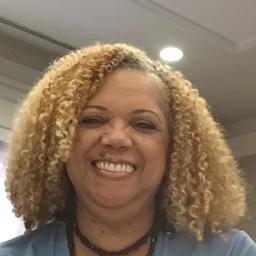
- Warm collaborative care
- Focus on strengths
- Practical coping tools
About Linda
Linda uses a mix of practical therapy methods to address everyday problems. She draws on cognitive behavioral techniques to identify thinking patterns that keep people stuck. She also uses psychodynamic ideas to look at early experiences that shape current feelings and behaviors. Trauma-focused approaches are part of her work when past hurt affects daily life.
Over her career she has worked in a range of settings, including treatment facilities and mobile crisis services, helping people in schools, homes, and residential programs. In recent years she has focused on adults in substance use treatment, supporting those dealing with co-occurring depression, anxiety, grief, panic, social anxiety, and chronic medical issues.
Linda believes in educating people about their challenges so they can make informed choices. She aims to develop treatment plans that build on each person’s strengths. Her sessions tend to be collaborative, straightforward, and aimed at practical steps people can use between visits.
Clients often seek her help for stress, relationship struggles, caregiver burden, chronic pain or illness, and issues linked to family of origin. She welcomes questions and encourages people to start by describing what they most want to change.
Areas of expertise
Primary focus
Also works with
Additional focus areas
Therapeutic approaches
Experience
25+ years
Credentials
Maryland
Languages
English
How therapeutic approaches translate to online care
Linda uses cognitive behavioral therapy to help people notice unhelpful thoughts and try new behaviors; this approach often focuses on practical tools for day-to-day coping. Psychodynamic therapy is used to look at patterns that come from past relationships and early life events, which can help explain repeating feelings or behaviors. Trauma-focused therapy concentrates on understanding and reducing the ways past harm continues to affect mood and functioning.Choosing the best approach is a team effort. The therapist will talk with the person about goals, symptoms, and preferences and then recommend which methods to try first. Over time they will adjust the plan based on what is working and what is not.
Session formats are not specified in the biography, so confirm current session options before booking. Online therapy can make it easier to fit sessions into a busy week, allow shorter check-ins when needed, or avoid travel time to appointments. Licensed professionals can also use remote sessions to maintain continuity of care during major life events or illness, and to help people practice strategies in real-life settings between meetings.
Frequently asked questions
What concerns does she help with?
She helps people managing stress, anxiety, depression, addiction, trauma, grief, relationship and family issues, anger, self-esteem, career challenges, bipolar symptoms, and coping with life changes.
What is her therapy style like?
She uses a collaborative, down-to-earth approach that combines cognitive behavioral, psychodynamic, and trauma-focused techniques tailored to a person's needs.
How much experience does she have?
She has 25 years of clinical experience working in treatment facilities and mobile crisis roles, with extensive recent work in substance use treatment for adults.
What are her credentials and where is she located?
She is a Licensed Clinical Social Worker in Maryland, listed as LCSW-C, and practices in the state of Maryland.
Which languages are supported?
Sessions are offered in English.
Can people outside the United States work with her?
International clients are not currently accepted.
How are sessions paid for?
Cost varies with location and therapist availability; sessions use a subscription that can be canceled at any time.
How do I get started?
Click the Start Therapy button, complete a short matching questionnaire, and schedule according to therapist availability.