- Client-centered approach
- Practical coping tools
- Mindfulness and CBT
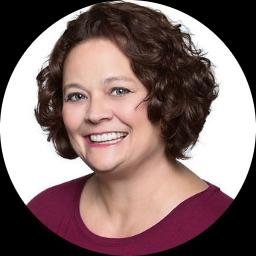
About Lonnie
Her approach centers on creating a calm, open space where clients can talk about difficult feelings without judgment. Sessions are conversational and grounded in real-life concerns. Dr. Erskine listens for the patterns that keep people stuck and helps identify small, workable changes.
She uses methods that encourage self-reflection and skill building. Cognitive Behavioral Therapy helps people notice and shift unhelpful thoughts. Client-Centered Therapy puts the person’s experience at the center of each session. Mindfulness techniques are offered to improve present-moment awareness and lower reactivity.
Dr. Erskine also brings motivational interviewing to conversations about change, especially around habits and addictions. This helps people clarify their goals and choose steps that fit their values. Her work covers a broad set of concerns, including parenting stress, intimacy-related issues, ADHD, and coping with life changes.
People who prefer a straightforward, compassionate style tend to do well with her. Sessions emphasize practical tools and steady support. To begin, visitors can use the site’s Start Therapy flow to match and schedule based on availability.
Areas of expertise
Primary focus
Also works with
Additional focus areas
Therapeutic approaches
Experience
9+ years
Credentials
South Carolina
Languages
English
How therapy approaches shape online work
Client-Centered Therapy focuses on the client’s own experience and aims to make sessions feel accepting and collaborative. This approach helps when people need space to talk through feelings and decide what matters most to them.Cognitive Behavioral Therapy (CBT) looks at the connections between thoughts, feelings, and actions. It offers concrete tools for managing depression, anxiety, and unhelpful behavior patterns by practicing new thinking and behavior in daily life.
Mindfulness Therapy teaches simple attention and breathing practices to reduce reactivity and improve focus. It can be useful for stress, trauma-related symptoms, and managing strong emotions.
Finding the right mix of approaches is part of the therapy process. The therapist works with each person to choose methods that match their goals, pace, and preferences. Together they try options and adjust what’s being used based on what helps most.
The original biography does not list specific online session formats, so please confirm the available formats before booking. Online sessions can make it easier to fit therapy into a busy schedule, reduce time spent traveling, and allow shorter check-ins when needed. These practical advantages often help people maintain steady progress while balancing everyday responsibilities.
Frequently asked questions
What kinds of problems does this therapist address?
Dr. Erskine works with issues such as trauma and abuse, grief, depression, self-esteem, addictions, ADHD, and coping with life changes.
How would you describe her therapeutic style?
Her style is warm and conversational, focusing on listening, practical strategies, and helping clients set achievable goals.
What experience does she bring to sessions?
She has nine years of professional work experience as a counselor in South Carolina.
What are her credentials and where does she practice?
She holds the credential LPC and is licensed in South Carolina.
Can I work with her if I live outside the United States?
International clients are not currently accepted; sessions are offered in English and geared to clients in South Carolina.
What session formats are available?
The original biography does not specify session formats; please confirm current session options before booking.
How much do sessions cost?
Cost varies with location and therapist availability; sessions use a subscription that can be canceled at any time.
How do I begin the process?
Use the Start Therapy button, complete a short matching questionnaire, and schedule according to therapist availability.