- Stress and anxiety
- Trauma recovery
- Practical coping
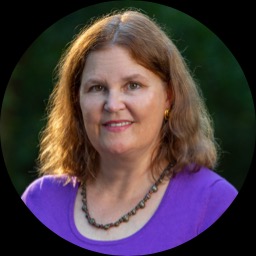
About Margaret
She creates a calm space where clients can speak openly about thoughts and feelings. Sessions emphasize practical steps and honest conversation rather than jargon. Margaret supports people as they sort through painful memories, reduce overwhelming anxiety, or rebuild confidence after setbacks.
Her work often addresses deeper patterns like attachment and abandonment concerns, codependency, and communication problems. She also helps people facing caregiver strain, chronic illness or pain, and midlife transitions. These topics are approached through steady, problem-focused conversations that look for workable changes.
Margaret draws on evidence-based therapeutic techniques to guide sessions. She partners with clients to set clear goals and track small, achievable progress. The focus is on tools that fit daily life so gains can carry beyond the session.
Clients can expect respectful, practical support aimed at restoring a sense of control. The therapist frames each step as collaborative, helping people find coping strategies that match their situation and values.
Areas of expertise
Additional focus areas
Experience
13+ years
Credentials
Georgia
Languages
English
How evidence-based methods translate to online care
Margaret uses evidence-based therapeutic techniques that focus on practical change. One common approach helps people recognize and change thought patterns that increase anxiety or depression. This method teaches simple exercises to test thoughts and try new responses in daily moments.Another approach concentrates on processing trauma and unwanted memories in small steps so memories become less overwhelming. Sessions move at the client’s pace and emphasize safety and steady progress. Both approaches suit people coping with chronic illness, caregiver strain, or life transitions because they emphasize doable skills and steady improvement.
Choosing the right approach is part of the work together. The therapist will talk with each person about goals, preferences, and what feels most helpful. That collaborative process means methods can shift as needs change and as progress is seen.
If you are considering online therapy, confirm the current session options before booking. Different formats can make it easier to fit therapy into a busy life - for example, shorter check-ins during a lunch break or audio-only conversations when bandwidth is limited. Online sessions can reduce travel time and help people keep therapy consistent amid a full schedule.
Frequently asked questions
What concerns does Margaret commonly address?
She works with stress, anxiety, trauma and abuse, self-esteem issues, depression, and coping with life changes. She also addresses related areas like attachment, codependency, chronic illness and caregiver stress.
What is her general therapeutic style?
She aims for an open, nonjudgmental space and focuses on practical steps. Conversations center on identifying goals and trying tools that fit everyday life.
How much professional experience does she have?
She has 13 years of professional work experience as a counselor. That experience includes supporting people through mood concerns and trauma-related problems.
What are her credentials and where is she based?
She is a Licensed Professional Counselor (LPC) licensed in Georgia and practices from that state.
Which languages are supported for sessions?
Sessions are offered in English.
Can international clients work with her?
She is not currently accepting international clients.
How are sessions paid for and what does cost look like?
Cost varies with location and therapist availability; sessions use a subscription that can be canceled at any time.
How do I begin the process if I want to meet with her?
Click the Start Therapy button, complete a short matching questionnaire, and then schedule according to the therapist's availability.