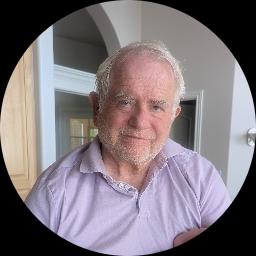
- 40 years experience
- Focus on strengths
- Works with trauma
About Mark
He believes clients are experts in their own lives and brings a collaborative stance to sessions. That means he listens first, then helps people name practical steps they can try between meetings. Sessions are focused on real-life problems and on building skills that fit day-to-day routines.
Over four decades of practice, he has worked with many concerns related to mood and behavior. This includes panic and phobias, obsessive-compulsive patterns, and post-traumatic stress. He also supports people dealing with chronic pain, illness, and disability and those confronting addiction or codependency issues.
Conversations often cover family of origin issues, life purpose, and self-worth, alongside symptom-focused work for depression and anger. The approach is pragmatic: identify patterns, test small changes, and track what helps. Progress is paced to each person’s needs.
Mark practices in Utah and offers services in English. He accepts international clients. His long experience is balanced by a straightforward, hopeful way of working meant to help people move toward a more satisfying life.
Areas of expertise
Primary focus
Additional focus areas
Experience
40+ years
Credentials
Utah
Languages
English
How evidence-based techniques translate to online care
Many evidence-based therapeutic techniques focus on changing unhelpful patterns and building new skills. One common approach helps people learn practical coping strategies for anxiety and panic by practicing short, manageable exercises and tracking progress over time. Another approach targets trauma and post-traumatic stress by helping people safely tell their story, build tolerance for distressing memories, and strengthen daily routines that reduce symptoms.Choosing the right approach is part of the work together. The therapist will discuss goals, preferences, and what has or hasn’t helped before. That collaborative process guides which techniques are emphasized and how sessions are structured.
If you prefer online sessions, confirm the specific formats offered before booking because the biography does not list them. Online work can make it easier to fit therapy into a busy life, shorten commute time, and allow more flexible scheduling. It can also let people use quieter or lower-bandwidth options when that helps. The focus stays on building usable skills, testing small changes between meetings, and tracking what improves daily functioning.
Frequently asked questions
What concerns does Mark focus on?
He focuses on stress, anxiety, relationship struggles, trauma and abuse, anger, and depression, plus related issues such as chronic pain, addiction, OCD, and panic.
What is his therapeutic style like?
He works collaboratively and listens first, then helps people identify practical steps. The sessions emphasize real-life skills and gradual change.
How much experience does he have?
He has 40 years of professional experience as a licensed clinical social worker.
Where is he based and licensed?
He is licensed in Utah as an LCSW and practices from that state.
Which languages are supported and can international clients connect?
Sessions are offered in English, and he does accept international clients.
What session formats are offered?
The original biography does not specify session formats; confirm the current session options before booking.
How are costs handled?
Cost varies with location and therapist availability; sessions use a subscription that can be canceled at any time.
How do I begin working with him?
Use the Start Therapy button, complete a short matching questionnaire, and then schedule according to the therapist's availability.