- End of life support
- Grief and loss
- Stress and anxiety
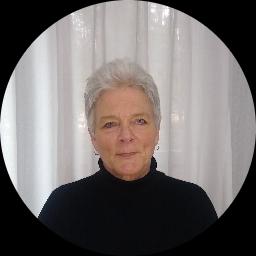
About Mary
Her approach is direct and down-to-earth. She uses client-centered work to follow what matters most to each person. She also draws on cognitive behavioral techniques to help spot unhelpful thinking and mindfulness practices to calm the body and mind.
Mary spent much of her career supporting patients and families at the end of life, and she brings that experience into sessions about hospice, cancer, and caregiver stress. She also supports people coping with divorce, the end of significant relationships, midlife transitions, and the emotional impact of aging.
Sessions emphasize active listening and practical steps you can try between meetings. Mary aims to help people adapt to change and slowly build a new way of living after loss or upheaval. She combines solution-focused questions with a respect for personal history and meaning.
Mary earned her master’s degree from the University of Wisconsin-Milwaukee in 1999 and holds a Wisconsin Licensed Clinical Social Worker credential. She works in Wisconsin and conducts counseling in English. If her style feels like a fit, she invites people to reach out and begin the matching process.
Areas of expertise
Primary focus
Also works with
Additional focus areas
Therapeutic approaches
Experience
27+ years
Credentials
Wisconsin
Languages
English
Therapeutic approaches and how they work online
Client-centered therapy focuses on listening closely and following the concerns the person brings. It helps people feel understood and find their own solutions to problems like grief or relationship endings.Cognitive Behavioral Therapy, or CBT, looks at the links between thoughts, feelings, and actions. It offers practical tools to change upsetting thought patterns and behaviors, which can help with anxiety, depression, and stress.
Mindfulness approaches teach simple attention and breathing skills to reduce reactivity and improve coping with difficult emotions. These practices can be useful when adjusting to illness, caregiving duties, or major life transitions.
Finding the right approach is part of the work together. The therapist will collaborate with each person to choose techniques that match their needs, goals, and daily life. That process is flexible and can shift as progress is made.
Confirm current session options before booking to know what formats are offered. Online sessions can make it easier to fit counseling into a busy schedule, cut travel time, and allow for quicker check-ins on stressful days. Phone or video options can help when bandwidth, quiet time, or camera use vary, so discuss preferences when you schedule.
Frequently asked questions
What concerns does Mary commonly help with?
She helps people dealing with grief, end-of-life matters, aging, stress, anxiety, depression, relationship endings, caregiver strain, addictions, and self-esteem issues.
How would you describe her therapy style?
Her style is calm and practical, offering active listening, solution-focused questions, and steps to try between sessions.
How much experience does she have?
Mary has 27 years of clinical experience, including long-term work with patients and families at the end of life.
What are her credentials and where does she practice?
She is a Licensed Clinical Social Worker (LCSW) licensed in Wisconsin and practices in that state.
Which languages are sessions offered in?
Sessions are offered in English.
Can international clients work with her?
She does not accept international clients at this time.
How are fees and payment handled?
Costs vary with location and therapist availability, and sessions use a subscription that can be canceled at any time.
What is the first step to begin therapy?
Use the Start Therapy button, complete a short matching questionnaire, and schedule according to therapist availability.