- Person-centered care
- CBT and DBT methods
- Focus on daily skills
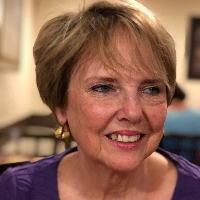
About Mary
She trained in counseling at the Houston Graduate School of Theology for her masters degree and completed a Ph.D. at Texas A&M Corpus Christi. Dr. Walker spent years as a high school art teacher and as a church mentor, experiences that shaped how she listens and teaches skills. She has about 10 years of clinical experience working with people who survived childhood abuse and those coping with trauma, grief, depression, anxiety, dissociation, and personality concerns.
In sessions she focuses on what the person needs now. She uses client-centered listening to understand each person's story. She applies cognitive behavioral ideas to spot patterns of thinking that make problems worse. Dialectical behavior therapy skills and mindfulness methods are included where they help with emotion regulation and distress tolerance.
Her approach is practical and straightforward. She helps clients build small, usable skills for daily life. The goal is steadier mood, clearer choices, and stronger coping so people can move forward from painful patterns.
People who work with her can expect warm attention, teachable strategies, and steady support while they try new ways of living and relating.
Areas of expertise
Primary focus
Also works with
Additional focus areas
Therapeutic approaches
Experience
10+ years
Credentials
Texas
Languages
English
How therapy approaches fit into online care
Dr. Walker uses client-centered therapy to follow each person's story and priorities, focusing on empathetic listening and helping people name what matters most. Cognitive behavioral therapy is used to spot unhelpful thought and behavior patterns and to try practical new habits that improve mood and function.Finding the right approach is part of the work. She will collaborate with clients to choose which methods make the most sense based on goals, symptoms, and daily life needs. That choice can shift as progress is made or as new issues arise.
The biography does not list specific online session formats, so confirm current options before booking. In general, online work can make it easier to fit sessions into a busy schedule, allow shorter check-ins when needed, and let people participate without traveling. Licensed professionals can use these methods to teach DBT skills, structure behavioral experiments from CBT, and coach clients through grief or chronic illness challenges in ways that fit their routine.
Frequently asked questions
What concerns does she address?
She supports people with eating and sleeping problems, addictions, grief, bipolar symptoms, ADHD, LGBT-related stress, career issues, and coaching for life transitions.
What is her therapeutic style like?
Her style is warm and practical, combining listening with skill teaching. Sessions focus on small, usable changes rather than abstract theory.
How much clinical experience does she have?
She has about 10 years of experience working in counseling roles and community mentoring before moving into private practice.
What credentials and region are associated with this therapist?
She is a Licensed Professional Counselor (LPC) licensed in Texas and practices from that state.
Which languages are available for sessions?
Sessions are offered in English and she does accept international clients.
What session formats are offered?
The original biography does not list specific session formats; please confirm current session options with the therapist before scheduling.
How does pricing work?
Cost varies with location and therapist availability, and sessions use a subscription that can be canceled at any time.
What are the steps to begin working together?
Use the Start Therapy button, fill out a short matching questionnaire, and schedule a session according to the therapist's availability.