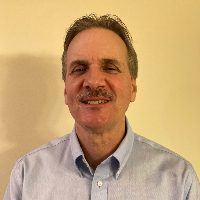
- 40 years experience
- Recovery minded
- Client centered
About Michael
He uses a mix of approaches to meet each person's needs. Sessions focus on practical steps that help with coping and daily functioning. He draws on client-centered listening to understand what matters most to the person in front of him.
Over his career Michael has worked in many settings, including mental health, substance use treatment, domestic violence services, and trauma care. He has also served as a clinical supervisor for several decades and consulted on trainings and program development. That background informs how he structures sessions and sets realistic goals.
In the therapy room he often blends cognitive-behavioral ideas with mindfulness and motivational interviewing. That combination helps with changing unhelpful habits, managing strong emotions, and staying motivated during recovery or behavior change. He also uses psychodynamic thinking when helpful to look at long-standing patterns.
People who come for help can expect a practical, steady approach. Michael aims to help people get through immediate crises, manage ongoing health or caregiving strains, and build skills for daily life. To begin, readers are asked to use the site's Start Therapy flow to match and schedule a session.
Areas of expertise
Primary focus
Also works with
Additional focus areas
Therapeutic approaches
Experience
40+ years
Credentials
Virginia
Languages
English
How his approaches work for online therapy
Client-Centered Therapy begins with listening and building a working relationship. Online sessions can recreate that focus by letting the therapist hear what matters most and tailor goals to a person's life. Cognitive Behavioral Therapy (CBT) breaks problems into thoughts, feelings, and actions and then teaches practical skills to change them. Online CBT can be used to target anxiety, depression, sleep, and coping with chronic health or caregiving strain. Mindfulness Therapy teaches simple awareness and breathing practices to reduce reactivity and improve focus, which can fit into short daily routines.Choosing an approach is a shared process. The therapist will work with the client to figure out which methods best match their goals, needs, and preferences. That means trying approaches, checking progress, and adjusting steps so the work stays useful and realistic.
The biography did not list specific session formats, so confirm current options before booking. In general, online sessions can make it easier to fit therapy into a busy day, save travel time, support follow-up check-ins, or allow shorter focused conversations when needed. Licensed professionals can adapt CBT worksheets, mindfulness exercises, and motivational strategies to remote work so the same core tasks get done in ways that fit everyday life.
Frequently asked questions
What concerns does Michael commonly address?
He helps with stress, anxiety, addictions, trauma and abuse, grief, depression, and a wide range of life changes and relationship concerns.
What is his general therapeutic style?
He uses a client-centered approach that focuses on listening and collaboration, combined with practical techniques from CBT, mindfulness, and motivational interviewing.
How long has he practiced and in what roles?
Michael has 40 years of experience and has worked across clinical settings, provided clinical supervision for decades, and consulted on trainings and program development.
Where is he licensed and based?
He is a Licensed Clinical Social Worker (LCSW) based in Virginia and practices under that credential.
Which languages are offered for sessions?
Sessions are offered in English and he accepts international clients who can communicate in English.
What session formats are available?
The original biography does not list specific session formats; please confirm the current session options before booking so you know whether phone, video, or in-person sessions are offered.
How is cost handled for sessions?
Cost varies with location and therapist availability; sessions use a subscription that can be canceled at any time.
How do I begin working with him?
Use the Start Therapy button, complete a short matching questionnaire, and then schedule according to the therapist's availability.