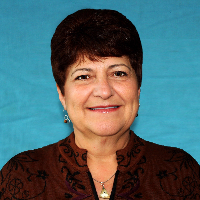
About Michelle
Michelle uses client-centered care with tools drawn from cognitive behavioral therapy and mindfulness. She often teaches simple grounding and breathing techniques, and practical ways to rethink unhelpful thoughts. She guides people through strategies to manage chronic pain, sleep problems, and the stress that comes with ongoing health challenges.
Trauma and difficult past events are addressed with attention to pacing and safety. Michelle helps people name reactions, build coping skills, and take small steps toward feeling more in control. She also supports those struggling with addictions, anger, or compassion fatigue by working on clear goals and steady routines.
For people facing life transitions, relationship strain, or questions about purpose, Michelle favors solution-focused planning. She helps clients identify one or two achievable steps, then checks what works and what needs adjusting. Sessions aim to leave people with something concrete to try between meetings.
Michelle emphasizes respectful listening and collaboration. She invites clients to set the agenda, and she adapts techniques to each person’s values and pace. To begin, clients complete a brief matching questionnaire and schedule sessions according to the therapist's availability.
Areas of expertise
Primary focus
Also works with
Additional focus areas
Therapeutic approaches
Experience
11+ years
Credentials
Alaska
Languages
English
Evidence-informed approaches for online care
Michelle commonly uses client-centered therapy and cognitive behavioral therapy when working with people. Client-centered therapy emphasizes listening, respect, and collaboration so the person sets the pace and goals. Cognitive behavioral therapy focuses on identifying unhelpful thought patterns and testing practical changes to reduce symptoms like anxiety or low mood.Finding the right approach is part of the therapeutic process. The therapist will work with each person to decide which methods feel most useful. That conversation includes discussing goals, trying techniques, and adjusting methods if something does not fit.
Confirm the session formats offered before booking so you know what to expect. Online therapy can make it easier to fit sessions into a busy life, reduce travel time, and allow shorter check-ins when schedules are tight. It can also let people practice skills in the places where stress and symptoms actually happen. Ask about current session options during the match and scheduling steps so arrangements match your needs.
Frequently asked questions
What concerns does Michelle address?
She helps people with stress, anxiety, depression, trauma and abuse, addictions, sleep problems, parenting strain, anger, and compassion fatigue. She also supports those coping with chronic pain, illness, and disability.
What approach does she use in sessions?
Her work is client-centered and practical, often using cognitive behavioral techniques and mindfulness. Sessions combine listening with exercises to change unhelpful thoughts and build coping skills.
How much experience does she have?
She has 11 years of experience working with adult individuals in clinical settings in Alaska.
What are her credentials and where is she based?
She is an LCSW licensed in Alaska and provides services from that state.
Which languages are supported?
Sessions are offered in English only.
Can international clients work with her?
She is not currently accepting international clients.
How much do sessions cost?
Cost varies with location and therapist availability, and sessions operate under a subscription model that can be canceled at any time.
How do I start a therapy relationship?
Click the Start Therapy button, complete a short matching questionnaire, and then schedule sessions according to the therapist's availability.