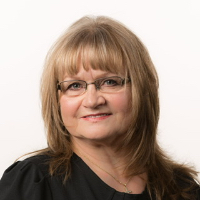
- Client-centered care
- Skills-based tools
- Trauma-informed focus
About Norma
She uses a mix of client-centered methods and structured therapies to address issues like anxiety, depression, bipolar mood concerns, and substance use. Norma also helps people dealing with grief, relationship problems, parenting stress, and challenges tied to chronic illness or caregiving. Her approach emphasizes clear coping skills and steady steps toward symptom relief.
Norma draws on evidence-informed techniques, including cognitive behavioral strategies, dialectical behavior ideas, and mindfulness practices. She incorporates creative activities when useful, such as guided writing and mindful movement, to help clients express difficult feelings and build new routines.
Sessions are practical and focused on what the client needs now. Norma aims to identify root causes while also teaching tools to stabilize mood and behavior. She supports goal setting and problem-solving so people can return more energy to daily life.
Her background includes individual and group work with adults and experience working with families and adolescents in crisis settings. Norma’s work reflects years spent addressing trauma, addiction, and complex emotional problems, with an emphasis on helping people live with health challenges and everyday stressors.
Areas of expertise
Primary focus
Also works with
Additional focus areas
Therapeutic approaches
Experience
15+ years
Credentials
Louisiana, Texas
Languages
English
How therapeutic approaches shape online sessions
Norma uses client-centered methods that start by hearing what matters most to the person. This approach focuses on the client’s goals and priorities and helps shape each session around real-life needs.Cognitive Behavioral Therapy, or CBT, is a practical method she uses to spot unhelpful thoughts and change patterns that feed anxiety, depression, or stress. CBT offers clear strategies for managing day-to-day symptoms and building routines that support health.
Dialectical Behavior Therapy, DBT, contributes skills for emotional regulation, distress tolerance, and better interpersonal communication. These tools can be helpful for intense mood swings, relationship strain, and strong reactions to stress.
Finding the right approach is a team effort. Norma will work collaboratively to decide which methods fit a person’s goals, needs, and preferences. That choice can shift as progress is made and new challenges come up.
Confirm the therapist’s current session options before booking, since formats are not specified in the profile. Online therapy can make it easier to fit sessions into a busy life, allow shorter check-ins when needed, or reduce the time spent traveling to appointments. Licensed professionals can adapt exercises, homework, and mindfulness practices for remote work so sessions remain practical and goal-focused.
Frequently asked questions
What concerns does Norma commonly address?
She helps people with anxiety, depression, bipolar mood concerns, trauma and abuse, addictions, grief, relationship and family issues, ADHD, and caregiver stress.
What is her general therapy style?
Her style is client-centered and practical, combining listening with hands-on skills teaching from CBT, DBT, mindfulness, and motivational interviewing.
How much experience does she have?
Norma has 15 years of clinical experience working in individual and group settings, including crisis and trauma work.
What credentials and region apply?
She is a Licensed Professional Counselor, LPC, with licensure in Texas and Louisiana and is based in Texas.
Which languages are supported and are international clients accepted?
Sessions are offered in English and international clients are not currently accepted.
What session formats are available?
Please confirm current session options before booking, as the profile does not specify particular formats.
How are fees handled?
Cost varies with location and therapist availability; sessions use a subscription that can be canceled at any time.
How do I begin working with Norma?
Select the Start Therapy button, complete a short matching questionnaire, and schedule according to therapist availability.