- Practical skill building
- Whole-person focus
- Experience based guidance
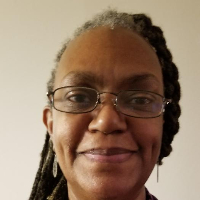
About Pamela
She uses clear, direct conversation and a mix of evidence-informed approaches. Pamela emphasizes understanding how thoughts and behaviors connect, and then building simple skills to shift unhelpful patterns. Sessions focus on concrete steps people can try between meetings, with space for personal reflection and emotional processing.
Pamela studied at Johns Hopkins University, completing a bachelor’s degree, a master’s degree, and postgraduate work. She has provided clinical supervision and led trainings and workshops at regional and international venues. That background feeds into a structured but flexible approach in sessions.
Her practice has included grief counseling, anger and stress management, conflict resolution, and support for gambling and substance dependence. Pamela also offers professional seminars and workshops and brings those teaching skills into individual work when helpful.
Pamela aims for a whole-person perspective, attending to spirit, mind, and body as people make changes. She favors clear tools people can use in everyday life and partners with them to set manageable goals and track progress.
Areas of expertise
Primary focus
Also works with
Additional focus areas
Therapeutic approaches
Experience
25+ years
Credentials
Maryland
Languages
English
How Pamela's Approaches Translate Online
Pamela often uses Acceptance and Commitment Therapy and Cognitive Behavioral Therapy in her work. Acceptance and Commitment Therapy helps people notice thoughts and feelings without getting stuck in them, then take actions that match their values. Cognitive Behavioral Therapy focuses on identifying unhelpful thinking patterns and practicing new behaviors to reduce distress and improve daily functioning.Choosing the right approach is a collaborative process. Pamela works with each person to weigh goals, preferences, and what has or hasn't helped before. She adjusts methods over time so a plan fits the person's needs rather than forcing a single technique.
The therapist's biography does not specify which online formats are offered, so confirm available session options before booking. Online sessions can make fitting therapy into busy lives easier by reducing travel time, allowing shorter check-ins during a lunch break, or avoiding the need to be on camera when that feels difficult. These practical benefits help people keep therapy consistent while working through stress, grief, addiction recovery, or relationship and parenting concerns.
Frequently asked questions
What kinds of concerns does Pamela help with?
She supports people facing stress, anxiety, grief, depression, addictions, relationship strain, parenting challenges, trauma, and intimacy-related issues among other concerns.
How would you describe her approach in sessions?
She blends cognitive behavioral ideas with client-centered listening, mindfulness, and motivational interviewing to build practical coping skills and explore values-based goals.
What is Pamela's background and experience?
Pamela has 25 years of professional, academic, and personal experience and has counseled many clients and trained hundreds of counseling professionals.
What credentials and location are listed for this therapist?
Pamela is an LCPC licensed in Maryland and practices out of Maryland.
In which language are sessions offered and can international clients join?
Sessions are offered in English and international clients are not currently accepted.
What session formats are used for therapy?
The original biography does not list specific session formats; please confirm current session options before booking.
How is cost handled for sessions?
Cost varies with location and therapist availability; sessions use a subscription that can be canceled at any time.
How do I begin working with Pamela?
Start by selecting the Start Therapy button, complete a short matching questionnaire, and schedule sessions according to the therapist's availability.