- Client-centered care
- CBT and solutions
- Experience with trauma
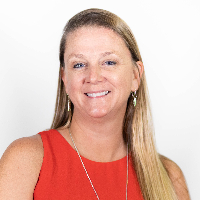
About Patricia
Patricia uses straightforward talk therapy to help people clarify goals and build coping skills. She often focuses on anxiety, mood concerns, addictions, and trauma-related issues. She also helps with parenting concerns, family stress, and the challenges of caregiving and illness.
Her approach blends client-centered listening with tools from cognitive behavioral therapy and solution-focused work. That means she listens first, then helps people test new ways of thinking and practicing different behaviors between sessions. The work is collaborative and task-oriented when that fits the person.
Patricia has particular experience with abandonment, adoption and foster care issues, codependency, and recovery from domestic violence. She also supports people facing cancer, hospice and end-of-life concerns, and caregiving strain. Her practice includes attention to mood disorders, post-traumatic stress, and struggles with purpose and self-esteem.
Sessions are geared toward practical steps someone can use right away. She encourages small experiments and clear check-ins so progress can be measured. To start, readers are invited to complete the site’s matching questionnaire and schedule a session based on the therapist’s availability.
Areas of expertise
Primary focus
Also works with
Additional focus areas
Therapeutic approaches
Experience
15+ years
Credentials
Florida
Languages
English
How Patricia’s approaches translate to online work
Patricia uses client-centered work and cognitive behavioral therapy to guide sessions. Client-centered work means the therapist listens carefully and follows the person’s lead to identify what matters most. Cognitive behavioral therapy focuses on spotting unhelpful thoughts and trying new behaviors to reduce anxiety or low mood.She also uses solution-focused methods to set concrete goals and track small changes from week to week. These goal-oriented steps are useful for people coping with stress, caregiving strain, life transitions, or trauma-related symptoms. The therapist and client decide together which methods to use based on needs and preferences.
Finding the right approach is part of the therapy process. Patricia will work collaboratively to choose techniques that match the person’s goals and daily life. She adapts pacing and homework to fit what each person can manage, and revisits the plan if it isn’t helping.
Session formats are not specified in the biography, so confirm the current options before booking. In general, online work can make it easier to fit sessions into a busy day, shorten check-ins when needed, and reduce travel time. Licensed professionals can use a mix of listening, skill practice, and short between-session tasks to help people apply what they learn to everyday life.
Frequently asked questions
What concerns does she address most often
She helps people with stress, anxiety, depression, grief, trauma and abuse, and addictions. Other focus areas include parenting and family problems, self-esteem, and coping with major life changes.
What is her general therapy style
Her style is collaborative and practical. She listens first, then uses clear tools from client-centered work, cognitive behavioral techniques, and solution-focused strategies.
How long has she practiced clinically
She has 15 years of clinical experience working in schools, non-profits, and private practice settings.
Where is she licensed and based
She is licensed as an LMHC in Florida and practices with that credential.
Which languages are supported for sessions
Sessions are offered in English.
Can I work with her from outside the United States
International clients are not currently accepted.
How are fees and session billing handled
Cost varies with location and therapist availability, and sessions use a subscription that can be canceled at any time.
How do I begin the process
Click the Start Therapy button, complete the short matching questionnaire, and then schedule based on the therapist’s availability.