- Strength based
- Action oriented
- Values focused
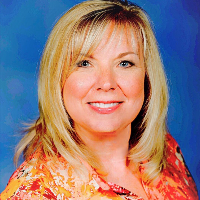
About Phyllis
She listens first and asks simple questions to understand what matters most. Sessions focus on the client’s real-life goals and what can change week to week. She uses clear tools to build coping skills, improve sleep, and reduce overwhelm.
Her practice draws on Acceptance and Commitment Therapy and Cognitive Behavioral Therapy to help people notice painful thoughts and take steps toward values-based living. Attachment-Based and Emotionally-Focused ideas guide work on close relationships and trust. Client-Centered principles keep the person’s perspective central in every session.
Dr. Phyl describes her style as strength-based and solution-focused. She helps people tell their story, identify barriers, and create action plans. Typical work includes setting concrete goals, practicing new behaviors, and reviewing progress together.
Her background includes long clinical experience across diverse settings and roles in health and wellness. She has worked with adults facing medical concerns, caregiving duties, fertility and aging issues, and recovery from substance use. The goal is practical change that fits everyday life.
Areas of expertise
Primary focus
Also works with
Additional focus areas
Therapeutic approaches
Experience
30+ years
Credentials
Illinois, Ohio, Colorado, Arizona
Languages
English
Approach choices and what online therapy can offer
Acceptance and Commitment Therapy (ACT) helps people notice painful thoughts and still move toward what matters. It is useful for anxiety, chronic health stress, and making life changes. Cognitive Behavioral Therapy (CBT) focuses on the links between thoughts, feelings, and actions and gives practical tools for sleep problems, mood, and unhelpful habits. Attachment-Based Therapy works on patterns of closeness and trust in relationships and can help with grief, communication problems, and family of origin issues.Finding the right approach is part of therapy. The therapist will talk with the person about goals, symptoms, and preferences, then suggest which methods to try. That plan is reviewed and adjusted as progress is made so the work stays relevant and manageable.
Confirm current session options before booking. Online therapy can make it easier to fit sessions into a busy week and reduce time spent traveling. It can also allow shorter check-ins when needed and remove the need to be on camera for every meeting. Licensed professionals can use these options to help people practice skills in their daily routines and follow up on goals between sessions.
Frequently asked questions
What concerns does she address most often
She works with stress, anxiety, depression, grief, addictions, ADHD, relationship and family concerns, and issues related to living with health challenges.
How would you describe her therapy style
The approach is warm and practical. She listens, helps set clear goals, and uses exercises to build new coping habits.
What experience does she bring to sessions
She has 30 years of clinical experience across health, wellness, and community settings and has supported people through life transitions and medical concerns.
What are her credentials and where is she based
She holds LPC and LPCC credentials and practices from Illinois.
Which languages are sessions offered in
Sessions are offered in English.
Can people from other countries work with her
She is not accepting international clients at this time.
How are fees and payments handled
Cost varies with location and therapist availability; sessions use a subscription that can be canceled at any time.
How do I begin working with her
Select the Start Therapy button, complete the short matching questionnaire, and schedule according to therapist availability.