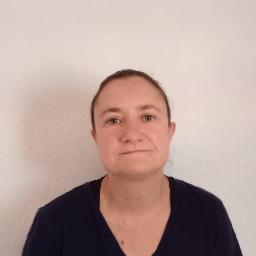
- Collaborative therapist
- Non-judgemental support
- Focus on life changes
About Rachel
Rachel uses a blend of approaches drawn from humanistic and psychodynamic traditions. Sessions focus on building a trusting relationship first, then looking at what has brought someone into therapy now. Conversations may shift between what is happening in the present and earlier life events that still affect day-to-day living. Rachel encourages reflection to spot repeating patterns and to make different choices.
Practical issues are part of the work. People often bring stress, relationship and intimacy concerns, grief, self-esteem and career questions. Rachel also offers support around gender dysphoria, sexuality, HIV and AIDS, chronic pain and disability, and experiences of prejudice and discrimination.
The counselling style is encouraging and collaborative. Rachel uses motivational interviewing and client-centred ideas to help people clarify goals and decide on next steps. Sessions are tailored to the individual rather than following a one-size-fits-all plan.
If someone decides to begin therapy they will complete a short matching questionnaire and then arrange sessions according to Rachel's schedule. Rachel aims to create a warm, supportive space where people can talk through difficult feelings and find practical ways forward.
Areas of expertise
Primary focus
Also works with
Additional focus areas
Therapeutic approaches
Experience
13+ years
Credentials
BACP · United Kingdom
Languages
English
How Rachel's approaches translate to online therapy
Attachment-based work looks at how early relationships shape current patterns. In practice this means talking about connection, trust and how past hurt shows up in close relationships, which can help with anxiety, grief and intimacy difficulties. Client-centred therapy focuses on listening without judgement and helping people find their own answers; it helps when someone needs space to make sense of feelings. Motivational interviewing supports people who are ambivalent about change by exploring values and small practical steps, which is useful for addictions, behaviour change and coping with chronic illness.Finding the right approach is part of the work together. The therapist will discuss goals, preferences and practical needs, and will suggest ways of working that feel most helpful. This is a collaborative process and can be adjusted over time as needs change.
Confirm current session options before booking so you know what formats are offered. Online work can make it easier to fit therapy into a busy life, for example by removing travel time and allowing short check-ins during a lunch break. It can also make sessions simpler when lower bandwidth or no video is preferable. Many people find that online sessions let them keep continuity of care while managing health conditions or busy schedules.
Frequently asked questions
What concerns does Rachel commonly help with?
She works with stress, anxiety, depression, trauma and abuse, addictions, relationship and intimacy issues, grief and self-esteem alongside many other life challenges.
How would you describe Rachel's therapeutic style?
Her style is compassionate and encouraging, focusing on building a strong relationship and tailoring sessions to each person's needs.
What is Rachel's background in mental health?
Rachel has 13 years of therapy practice and over twenty years of work in mental health settings, working with a wide range of issues.
What credential does Rachel hold and where is she based?
Rachel is BACP and works from the United Kingdom.
Which languages are supported for sessions?
Sessions are offered in English.
Can people outside the UK work with Rachel?
International clients are accepted; confirm any regional details when arranging sessions.
How are sessions costed?
Cost varies with location and therapist availability; sessions use a subscription that can be cancelled at any time.
What is the first step to begin working with Rachel?
Select the Start Therapy button, complete a short matching questionnaire, and schedule sessions according to the therapist's availability.