- Client-centered focus
- Practical coping tools
- Experience with chronic issues
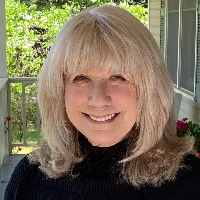
About Sandra
She combines client-centered techniques with cognitive behavioral ideas and other approaches to shape each plan to a person's needs. That means sessions often include talking through current problems, spotting unhelpful thinking patterns, and trying new ways of coping. Sandra emphasizes compassion and respect in the room while keeping the work grounded and actionable.
People come to her with many concerns including relationship challenges, grief, sleep problems, parenting stress, burnout, ADHD, and issues tied to chronic illness or caregiving. She also supports those facing career strain, identity questions in the LGBT community, and mood conditions like bipolar disorder.
Sandra draws from several therapeutic styles such as Dialectical Behavior Therapy and Emotionally-Focused Therapy when they fit the situation. The goal is to help clients find strategies that reduce distress and improve daily functioning. She encourages small, manageable changes that add up over time.
Sessions are adapted to the person’s pace and goals. Sandra invites prospective clients to reflect on what matters most to them and to begin with a short intake that clarifies priorities and next steps.
Areas of expertise
Primary focus
Also works with
Additional focus areas
Therapeutic approaches
Experience
23+ years
Credentials
Georgia
Languages
English
Therapeutic approaches and online care
Client-Centered Therapy puts the person's experience at the center of sessions. The therapist listens closely, reflects what she hears, and helps the person decide the next steps. Cognitive Behavioral Therapy (CBT) focuses on identifying unhelpful thoughts and testing new behaviors to reduce symptoms like anxiety or depression. Dialectical Behavior Therapy (DBT) offers concrete skills for managing intense emotions and improving day-to-day functioning, especially when stress and relationship problems are present.Finding the right approach is part of the work. Sandra will talk with clients about goals, preferences, and how they respond to different methods. Together they decide which ideas to try first and adjust the plan as progress is made. That collaborative process helps people feel more in control of their care.
If you are considering online therapy, confirm the current session formats before booking since options are not listed here. Online sessions can make it easier to fit therapy into a busy week, allow shorter check-ins when needed, and remove travel time. They can also let someone join from a quieter location or choose a phone visit when bandwidth or screen time is an issue. Ask about the available session formats during the matching questionnaire so arrangements match your routine and goals.
Frequently asked questions
What kinds of problems does Sandra help with?
Sandra works with a wide range of concerns such as stress, anxiety, depression, addictions, relationship struggles, grief, sleep problems, parenting strain, bipolar disorder, ADHD, and coping with life changes.
What is her therapy style like?
Her style is compassionate and respectful, focused on collaboration and practical strategies. Sessions blend client-centered conversation with cognitive and behavioral techniques to address thinking patterns and coping skills.
How much experience does Sandra have?
She has 23 years of professional experience working with people facing mood, anxiety, addiction, and life transition challenges.
Where is Sandra licensed and based?
Sandra holds the LPC credential and practices in Georgia.
Which languages are supported for sessions?
Sessions are offered in English.
Can international clients work with Sandra?
She does not accept international clients at this time.
How are session costs handled?
Cost varies with location and therapist availability; sessions use a subscription that can be canceled at any time.
How do I begin working with Sandra?
Click the Start Therapy button, complete a short matching questionnaire, and then schedule according to the therapist's availability.