- Goal-focused
- Trauma-aware
- Skills-based
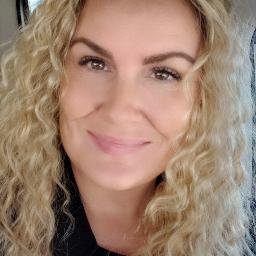
About Sarah
Sarah emphasizes working together to set clear, achievable goals. She uses evidence-informed methods such as cognitive behavioral techniques, attachment-focused work, and EMDR when appropriate. Sessions look at how past experiences shape current reactions and build skills to manage difficult feelings and urges.
People seek her help for trauma and abuse, panic and mood disorders, grief, relationship and intimacy issues, and challenges tied to chronic pain, illness, or caregiving stress. She also supports those facing career strain, parenting pressures, and the effects of substance use. Sarah attends to issues common for veterans, first responders, and young adults without assuming a single path for everyone.
Her style is direct but compassionate. She aims to listen without judgment and to offer practical tools alongside deeper emotional work. Therapy may include coping skills from DBT, behavioral experiments from CBT, or processing techniques from EMDR, depending on each person’s needs.
To begin, clients complete a brief matching questionnaire and then schedule sessions based on the therapist’s availability. Sarah helps people take small steps toward clearer thinking, fewer overwhelming moments, and steadier days.
Areas of expertise
Primary focus
Also works with
Additional focus areas
Therapeutic approaches
Experience
13+ years
Credentials
Arizona
Languages
English
How her approaches work in online therapy
Attachment-Based Therapy focuses on how early relationships shape current bonds and reactions. Online sessions can be used to notice patterns in how someone connects, then practice new ways of relating and regulating emotions.Cognitive Behavioral Therapy (CBT) helps identify unhelpful thoughts and test them with real-life experiments. In teletherapy people can learn short exercises, track behaviors between sessions, and bring results back for review.
Eye Movement Desensitization and Reprocessing (EMDR) supports processing of distressing memories through guided protocols. When appropriate, elements of EMDR can be adapted to remote work to help reduce the intensity of traumatic memories.
Finding the right approach is collaborative. The therapist will talk with each person about their goals and preferences and suggest which methods to try. Plans are adjusted over time based on what helps most.
Confirm the exact session options before booking since formats were not specified in the profile. Online therapy can make it easier to fit sessions into busy days, shorten check-ins when needed, and use screen-based tools for homework and skill-building. These practical benefits often help therapy stay consistent with everyday life.
Frequently asked questions
What kinds of concerns does this therapist help with?
She works with stress, anxiety, depression, addiction, trauma and related concerns like grief, relationship and intimacy issues, chronic pain and caregiver stress.
What is her therapeutic style like?
Her style blends practical skills and deeper processing. Sessions combine listening with tools from cognitive and attachment-informed approaches.
How much clinical experience does she have?
She has 13 years of experience providing psychotherapy across a wide range of concerns.
What are her credentials and where is she based?
She holds the LCSW credential and practices in Arizona as noted in her profile.
Which languages are supported for sessions?
Sessions are offered in English.
Can international clients work with this therapist?
She does not accept international clients at this time.
How are fees and subscriptions handled?
Cost varies with location and therapist availability; sessions use a subscription that can be canceled at any time.
How do I start therapy with her?
Use the Start Therapy button, complete a short matching questionnaire, and then schedule sessions according to the therapist’s availability.