- Goal oriented
- Client focused
- Faith-informed option
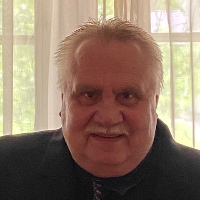
About Scott
He keeps sessions practical and goal oriented. Scott listens first and then helps set clear steps clients can try between meetings. He uses a straightforward style and aims to make therapy feel like a conversation, not a lecture.
Scott draws on client-centered methods to follow each person's pace and priorities. He adds cognitive behavioral techniques to identify unhelpful thoughts and behaviors. Dialectical behavior tools and mindfulness practices are used to build emotion regulation and day-to-day coping skills.
He also brings existential ideas into work about meaning and purpose when clients face big life questions. Motivational interviewing supports people who are ambivalent about change, and he can include faith-based perspectives when clients want that option.
Scott has experience with a wide range of concerns from trauma and substance use to ADHD, bipolar mood concerns, and chronic illness. He aims to create a nonjudgmental space where people can talk through hard things and take steps toward more manageable days.
Areas of expertise
Primary focus
Also works with
Additional focus areas
Therapeutic approaches
Experience
14+ years
Credentials
Illinois
Languages
English
Approaches that translate well to online care
Client-centered therapy focuses on what matters to the person in front of the therapist. It gives people space to tell their story and helps the therapist shape goals that fit their life. Cognitive behavioral therapy, or CBT, breaks problems into thoughts, feelings, and actions. It teaches concrete skills for changing unhelpful thinking and behavior, which can be practiced between sessions.Dialectical behavior therapy, or DBT, offers short skills for managing strong emotions and improving relationships. It includes techniques for grounding, distress tolerance, and emotion regulation that many people find useful in everyday life.
Finding the right approach is part of the work together. Scott will listen to your goals and try methods that fit your needs and preferences. He checks in about what helps and adjusts the plan so sessions stay practical and focused on progress.
For online therapy session options are not specified here, so please confirm current session formats before booking. Many people find that remote sessions make it easier to fit therapy into a busy schedule, allow for quicker check-ins, and reduce travel time. Others appreciate being able to use mindfulness or CBT exercises during the week between meetings to reinforce new skills.
Frequently asked questions
What kinds of problems does Scott help with?
He supports people facing stress, anxiety, depression, addictions, trauma and grief, sleeping difficulties, parenting strain, anger, self-esteem struggles, career concerns, bipolar and ADHD related challenges among other issues.
How would you describe his therapy style?
Scott uses an empathetic, goal-oriented, and client-centered approach. He focuses on listening, setting clear steps, and using practical techniques between sessions.
What is his professional background?
Scott has 14 years of experience in community mental health and earned a master’s degree in counseling psychology in 2009.
What credential does he hold and where does he practice?
He holds an LCPC credential and practices in Illinois.
Can I work with him if I speak another language?
Sessions are offered in English.
Does he work with international clients?
He is not currently accepting international clients.
How are session costs handled?
Cost varies with location and therapist availability; sessions use a subscription that can be canceled at any time.
How do I start therapy with him?
Choose the Start Therapy button, complete a short matching questionnaire, and schedule according to therapist availability.