- Client-centered care
- Skill-based methods
- Practical coping tools
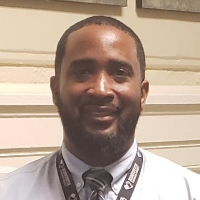
About Sherron
He uses an individual-centered style that keeps each person's goals in focus. Sessions are built around what the client needs that week. Sherron listens first, helps people name what matters, and then works with them to try specific skills and small changes.
His approach draws on Client-Centered Therapy, Cognitive Behavioral Therapy (CBT), Dialectical Behavior Therapy (DBT), Mindfulness Therapy, and Motivational Interviewing. That mix lets him offer both short-term tactics and longer work on thinking patterns, emotion regulation, and motivation. He emphasizes clear steps people can practice between meetings.
Sherron has eight years of clinical experience and holds the credential Licensed Clinical Social Worker, LCSW, and CSW. He brings practical problem solving and straightforward talk to sessions. People who want direct feedback and tools often find this style helpful.
Sessions focus on measurable progress rather than jargon. Goals might include reducing anxiety, improving communication, managing mood swings, or handling grief and loss. Sherron invites people to try approaches that fit their life and adjust them as needs change.
Areas of expertise
Primary focus
Also works with
Additional focus areas
Therapeutic approaches
Experience
8+ years
Credentials
Georgia
Languages
English
How therapeutic approaches translate to online care
Client-Centered Therapy focuses on the person and their goals. In this approach the therapist listens carefully, reflects what is said, and helps clients steer sessions toward what matters most. It helps when someone needs a supportive space to sort priorities and make decisions.Cognitive Behavioral Therapy (CBT) targets specific thoughts and behaviors. It teaches concrete skills to test unhelpful thinking and try new actions. CBT is often used for anxiety, depression, and habits that interfere with daily life.
Finding the right approach is a collaborative process. Sherron will work with the client to choose methods that match their goals, needs, and preferences. Plans are adjusted over time based on what helps and what doesn’t, so the work stays practical and focused.
If you are considering online therapy, confirm which session formats this therapist currently offers before booking. Online work can make scheduling easier, allow shorter check-ins when needed, and remove travel time so sessions fit into a busy day. Some approaches lend themselves to homework and practice between sessions, which can be convenient to track in remote work. Ask about format options when you schedule so sessions match your routine and technology comfort level.
Frequently asked questions
What concerns does this therapist address?
Sherron works with stress, anxiety, depression, trauma, addiction, relationship and family issues, grief, bipolar and ADHD among other concerns listed in his specialties.
How does he approach therapy?
He uses a client-centered style combined with CBT, DBT, mindfulness, and motivational interviewing to help people identify goals and practice skills between sessions.
What is his clinical background?
He has eight years of clinical experience supporting people through mood concerns, trauma, and relationship struggles.
What credentials and location are listed?
He holds LCSW and CSW credentials and practices in Georgia.
Which languages are supported and are international clients accepted?
Sessions are offered in English and international clients are not currently accepted.
What session formats are available?
The original biography does not specify session formats; please confirm current session options before booking.
How are costs handled?
Cost varies with location and therapist availability, and sessions use a subscription that can be canceled at any time.
How do I begin working with him?
Select the Start Therapy button, complete the short matching questionnaire, and schedule according to therapist availability.