- practical strategies
- warm partnership
- plain language
About Thom
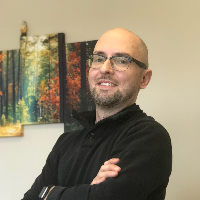
He describes the therapy relationship as a key part of change and focuses on building a practical working partnership. Thom listens to what people bring and helps them clear what's weighing them down. He uses plain, everyday language rather than technical terms so clients can easily grasp what happens in sessions.
Thom uses a simple bucket metaphor to explain how stress accumulates. Sessions are a place to empty an overfull bucket and learn ways to keep it from overflowing again. He helps people name feelings and thoughts, then puts together step-by-step strategies to reduce distress and improve day-to-day functioning.
In sessions he balances emotional insight with concrete tools. That may include shifting unhelpful thinking patterns, building healthier relationship habits, or learning skills for emotional regulation. He also brings a light touch when appropriate and may use humor to ease tension.
With eight years of experience as an LCSW in Tennessee, Thom combines practical methods with a steady, personable approach. He encourages clients to try new skills gradually, comparing personal growth to learning a skill like a backflip - challenging but doable with practice.
Areas of expertise
Primary focus
Also works with
Additional focus areas
Therapeutic approaches
Experience
8+ years
Credentials
Tennessee
Languages
English
How Thom’s Approaches Translate to Online Work
Attachment-based work focuses on how close relationships affect emotions and behavior. In practice that means talking about how past and present connections shape reactions, and learning safer ways to relate to others.Client-centered therapy centers on the person’s experience and pace. Sessions prioritize listening, reflecting what matters to the client, and letting change emerge from their goals rather than a fixed agenda.
Cognitive Behavioral Therapy, or CBT, targets unhelpful thinking and the behaviors that follow. It breaks problems into manageable steps and teaches practical techniques to shift thoughts and habits that maintain distress.
Finding the right approach is a collaborative process. Thom will help figure out which methods fit a person’s needs, goals, and preferences. He aims to adjust the blend of approaches as progress and circumstances evolve.
Online therapy can make it easier to fit sessions into busy days and can reduce travel time. It also lets people choose quieter surroundings, use phone-only check-ins when that is simpler, or keep sessions shorter for quick strategy work. The original biography does not list specific session formats, so confirm the current online options before booking. Many clients find that working with a licensed professional this way supports consistent skill practice and steady progress.
Frequently asked questions
What concerns does Thom commonly address?
He helps people with stress, anxiety, depression, addictions, grief, relationship and intimacy issues, and coping with life changes. Additional areas include ADHD, chronic pain or illness, and caregiver strain.
What is his general approach in sessions?
Thom focuses on building a practical working relationship and uses plain language. He helps clients name feelings and thoughts, then develops step-by-step strategies to reduce distress.
How much clinical experience does he have?
He brings eight years of clinical experience to his practice. That background informs his mix of skill-building and conversational work.
What credentials and location are listed?
Thom is an LCSW - Licensed Clinical Social Worker - and practices in Tennessee.
Which languages and international work are supported?
Sessions are offered in English, and he does accept international clients.
What session formats are offered?
The original biography does not specify session formats, so confirm current session options with the provider before booking.
How is cost handled for sessions?
Cost varies with location and therapist availability, and sessions use a subscription that can be canceled at any time.
How do I begin working with him?
Use the Start Therapy button, complete a short matching questionnaire, and schedule according to therapist availability.