- Skill-based methods
- Health-related focus
- 33 years experience
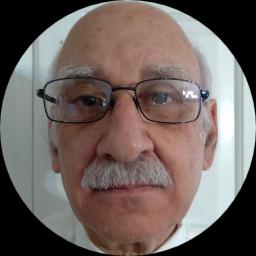
About Thomas
He prefers straightforward, skill-based work in sessions. He often looks at how habits of thinking and self-talk shape mood and behavior. He uses exercises that people can try between sessions and checks what fits each person’s life. He has a background in pharmacology and pays attention to how medications and physical health affect mood and behavior.
Dr. Tashjian draws on cognitive-behavioral approaches and mindfulness to help people notice thought patterns and shift unhelpful responses. He also uses elements of dialectical behavior therapy, motivational interviewing, and somatic methods to address stress and reactions held in the body. Sessions often include practical strategies, brief experiments, and action plans to test new ways of coping.
He has worked with issues related to chronic pain, illness, and disability and helps people identify how health conditions interact with emotions and daily functioning. He also supports people facing losses of valued activities after injury or life change and helps find alternative ways to meet important needs.
Outside of clinical work, he enjoys outdoor exercise, marathon running, and animals. He writes short parables about his experiences and brings a pragmatic, down-to-earth stance to therapy.
Areas of expertise
Primary focus
Also works with
Additional focus areas
Therapeutic approaches
Experience
33+ years
Credentials
Massachusetts
Languages
English
How his approaches translate to online therapy
Dr. Tashjian commonly uses cognitive-behavioral techniques and mindfulness-based work in session. Cognitive-behavioral work focuses on identifying patterns of thinking and testing small behavioral changes to reduce symptoms such as anxiety, worry, or depression. Mindfulness therapy teaches simple attention and awareness exercises to reduce reactivity and improve stress management.He also draws on elements of dialectical behavior therapy to teach emotion regulation skills and on motivational interviewing to support change when people feel stuck. Finding the right mix of methods is part of the process; he will collaborate with each person to choose techniques that match their goals, daily routines, and preferences.
Session formats are not specified in the biography, so confirm current options before booking. Online sessions can make it easier to fit therapy into a busy day, reduce travel time, and allow brief check-ins when schedules are tight. Some methods such as behavioral experiments, mindfulness practice, and short coaching tasks adapt well to remote work and can be used to support progress between appointments.
Frequently asked questions
What concerns does this therapist address?
He helps people with stress, anxiety, depression, bipolar issues, ADHD, addictions, trauma and abuse, grief, sleep difficulties, anger, and coping with life changes, among other related concerns.
What is his therapeutic style?
He uses a practical, skills-focused approach that emphasizes changing unhelpful thinking and trying concrete exercises between sessions.
How much clinical experience does he have?
He brings 33 years of experience working with emotional, behavioral, and health-related problems.
What are his credentials and where is he based?
He holds the credential MA Psychologist 3022 and practices in Massachusetts.
In which languages can I work with him?
Sessions are offered in English.
Does he work with international clients?
He does not accept international clients at this time.
How are costs handled for sessions?
Cost varies with location and therapist availability and sessions are billed through a subscription that can be canceled at any time.
How do I begin a therapy match and schedule?
Use the Start Therapy button, complete a short matching questionnaire, and then schedule according to the therapist's availability.