- Support for addiction recovery
- Focus on relationships
- Practical emotion skills
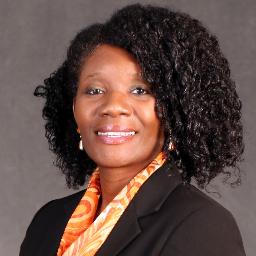
About Valerie
She listens for life circumstances, trauma, loss, or relationship patterns that increase depression and anxiety. Sessions often focus on improving communication, managing strong emotions, and strengthening self-compassion. Valerie aims to help people regain motivation and clearer decision making so they can pursue meaningful goals.
Her work recognizes each person’s unique background, including ethnicity, religion, sexual orientation, ability status, and gender identity. She creates a straightforward, compassionate space where people can be honest about pain and explore change. The tone is practical and hopeful rather than clinical.
Valerie uses a mix of approaches to address co-occurring concerns and family-of-origin issues. She introduces strategies to reduce overwhelm and build internal resources for emotional sobriety. Practical skills for everyday life are emphasized alongside exploring deeper patterns.
She also brings experience with issues such as abandonment, attachment difficulties, personality concerns, communication problems, domestic violence, chronic illness like cancer, HIV / AIDS, hoarding, and grief. Her goal is to help people move from hurting to healing and to uncover strengths that support lasting change.
Areas of expertise
Primary focus
Additional focus areas
Therapeutic approaches
Experience
21+ years
Credentials
Oklahoma
Languages
English
Approaches that guide online sessions and practical care
Acceptance and Commitment Therapy, or ACT, helps people notice unhelpful thoughts and choose actions that match their values. It is often used when someone feels stuck by worry, low mood, or life changes. Cognitive Behavioral Therapy, or CBT, focuses on spotting and changing thinking and behavior patterns that worsen anxiety and depression. It offers concrete techniques for managing symptoms and improving daily routines.Finding the right approach is part of the work. The therapist collaborates with each person to decide which methods fit their goals and preferences. That means trying strategies, checking what helps, and adjusting the plan together rather than following a fixed recipe.
Session formats are not listed in the biography, so confirm available online options before booking. Online therapy can make it easier to fit sessions into a busy week, shorten travel time, and allow check-ins during workday breaks. It can also let people use audio-only sessions if they prefer less bandwidth or a quieter setting. Licensed professionals can adapt techniques like ACT and CBT to online conversations so practical skills and emotional insight are still possible remotely.
Frequently asked questions
What concerns does Valerie often address?
She focuses on stress, anxiety, depression, addictions, relationship and family concerns, and related issues such as abandonment, attachment problems, communication difficulties, and grief.
What is her therapeutic style like?
She combines practical skill building with reflective work. Clients work on emotion regulation, communication, and awareness of stuck patterns to support day-to-day change.
How long has she practiced?
Valerie has 21 years of professional experience working with mental health and co-occurring concerns.
Where is she based and what credential does she hold?
She practices in Oklahoma and holds the LPC credential, which stands for Licensed Professional Counselor.
Which languages are supported?
Sessions are offered in English and international clients are not currently accepted.
What session formats are available?
Session formats are not specified in the biography; please confirm current session options before booking.
How does cost and billing work?
Cost varies with location and therapist availability; sessions use a subscription that can be canceled at any time.
How do I begin working with her?
Click the Start Therapy button, complete a short matching questionnaire, and schedule according to the therapist's availability.