
Michelle Pellin
LMHC, LPCConnecticut · 11 yrs exp
Compassionate counselor for life transitions
Stress, Anxiety · Parenting · Self esteem · Depression · +16 more
Read profileTherapist listings are provided by BetterHelp. We will earn a commission at no extra cost to you if you use our links to buy.
This directory page features therapists who focus on body image concerns, including appearance distress, self-esteem, and eating-related struggles. Browse the listings below to compare approaches, credentials, languages, and areas of experience.
Connecticut · 11 yrs exp
Compassionate counselor for life transitions
Stress, Anxiety · Parenting · Self esteem · Depression · +16 more
Read profile
Ohio · 25 yrs exp
Experienced counselor focused on practical coping skills
Stress, Anxiety · LGBT · Relationship · Self esteem · +16 more
Read profile
Florida · 14 yrs exp
Compassionate social worker for life challenges
Stress, Anxiety · Grief · Anger · Self esteem · +12 more
Read profile
Michigan · 25 yrs exp
Counselor blending nursing insight with therapy
Stress, Anxiety · LGBT · Relationship · Grief · +10 more
Read profile
Colorado · 19 yrs exp
Compassionate care for complex life challenges
Stress, Anxiety · Relationship · Trauma and abuse · Grief · +12 more
Read profile
Alabama · 22 yrs exp
Practical counseling to manage life and health challenges
Stress, Anxiety · Trauma and abuse · Anger · Self esteem · +16 more
Read profile
Florida · 20 yrs exp
Compassionate counselor for addiction and life change
Stress, Anxiety · Addictions · Relationship · Self esteem · +16 more
Read profile
Massachusetts · 23 yrs exp
Experienced LMHC supporting relationship and life changes
Addictions · LGBT · Relationship · Intimacy-related issues · +12 more
Read profile
North Carolina · 16 yrs exp
Empathic counseling for emotional healing and direction
Stress, Anxiety · Relationship · Trauma and abuse · Grief · +7 more
Read profile
Missouri · 16 yrs exp
Compassionate, practical therapy for everyday struggles
Stress, Anxiety · Trauma and abuse · Self esteem · Bipolar · +12 more
Read profile
Georgia · 20 yrs exp
Compassionate counselor who focuses on practical change
Stress, Anxiety · Addictions · Family · Anger · +13 more
Read profile
Texas · 9 yrs exp
Practical, respectful counseling for life changes
Stress, Anxiety · Trauma and abuse · Grief · Depression · +12 more
Read profile
Texas · 10 yrs exp
Compassionate therapist guiding practical change
Stress, Anxiety · Relationship · Family · Depression · +14 more
Read profile
Colorado · 11 yrs exp
Practical support for life transitions and stress
Stress, Anxiety · LGBT · Trauma and abuse · Anger · +15 more
Read profile
Pennsylvania · 9 yrs exp
Compassionate therapist for life transitions
Stress, Anxiety · Relationship · Family · Trauma and abuse · +9 more
Read profile
Wisconsin · 26 yrs exp
Experienced counselor with practical tools
Stress, Anxiety · Self esteem · Career · Coping with life changes · +11 more
Read profile
Texas · 22 yrs exp
Practical, culturally aware therapy for everyday struggles
Stress, Anxiety · Relationship · Trauma and abuse · Depression · +16 more
Read profile
Louisiana · 14 yrs exp
Compassionate, practical therapy for life challenges
Stress, Anxiety · Anger · Self esteem · Depression · +9 more
Read profile
Pennsylvania · 6 yrs exp
Compassionate counselor for life transitions
Stress, Anxiety · LGBT · Relationship · Self esteem · +15 more
Read profile
Utah · 20 yrs exp
Practical, compassionate care for everyday struggles
Stress, Anxiety · Relationship · Grief · Depression · +12 more
Read profile
Utah · 25 yrs exp
Practical, values-focused therapy for life challenges
Stress, Anxiety · Family · Trauma and abuse · Anger · +15 more
Read profile
Texas · 20 yrs exp
Direct, experienced social worker for life challenges
Stress, Anxiety · Addictions · Family · Grief · +15 more
Read profile
North Carolina · 10 yrs exp
Body-aware counselor blending mindfulness and action
Stress, Anxiety · LGBT · Relationship · Coping with life changes · +13 more
Read profile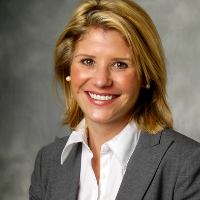
South Carolina · 20 yrs exp
Practical, person-centered care for life transitions
Stress, Anxiety · Relationship · Eating · Self esteem · +10 more
Read profileBody image is the set of thoughts, feelings, and beliefs you hold about your physical appearance. It is shaped by a mix of personal history, cultural messages, social comparisons, and physical changes across the lifespan. For some people body image is a passing worry about weight, acne, or aging. For others it becomes a persistent source of distress that affects mood, relationships, work, and daily routines. You might find that how you see your body influences what activities you choose, how you dress, and how you interact with others.
Body image concerns do not look the same for everyone. They can be influenced by gender, ethnicity, age, chronic illness, disability, hormonal changes, and experiences such as bullying or trauma. Social media and advertising also play a role by reinforcing narrow ideals and encouraging constant comparison. When negative body image becomes frequent or intense, it can contribute to avoidance behaviors, low self-worth, disordered eating patterns, or difficulty engaging in intimacy and social life. Understanding the social and emotional roots of body image is an important first step when you are seeking support.
You might consider therapy when concerns about appearance start to interfere with your daily functioning. Common signs include a preoccupation with perceived flaws, frequent body-checking or mirror avoidance, obsessive thinking about weight or shape, and rigid rules around eating or exercise. If your self-esteem is tightly linked to how you look, you may notice mood swings after exposure to certain images or situations. You might withdraw from social situations, avoid certain clothing or activities, or feel shame and self-criticism that is difficult to let go of.
Other indicators that professional support could help include persistent disordered eating behaviors, ritualized checking or camouflaging of the body, and distressing thoughts that feel uncontrollable. If attempts to change your body through dieting, over-exercising, or cosmetic procedures do not bring lasting relief, therapy can offer tools for shifting the underlying beliefs and patterns. Therapy can also be helpful when body image issues co-occur with anxiety, depression, relationship difficulties, or a history of trauma, providing a space to address interconnected concerns.
In the first sessions you can expect a thoughtful assessment of your concerns, your history with body image and eating behaviors, and the ways these issues affect your daily life. A therapist will likely ask about your relationship to food, exercise, and appearance, as well as mood, stressors, and any past events that may be relevant. Together you can clarify goals for therapy, which might include reducing anxiety about appearance, decreasing compulsive behaviors, improving self-compassion, or rebuilding a more flexible relationship with food and movement.
Therapy for body image often combines practical skills with reflective work. You may practice cognitive techniques to identify and challenge critical self-talk, and behavioral experiments to test assumptions about appearance and social reactions. Mindfulness-based strategies can help you notice sensations and thoughts without immediately reacting, and emotion-focused work can support processing shame or grief linked to the body. Many people find that gradual exposure to avoided situations - such as wearing certain clothing or attending social events - helps reduce fear over time when paired with coping strategies.
Sessions typically include at-home practice between meetings, such as journaling, body-awareness exercises, or behavioral experiments. Progress is often uneven, and therapists work with you to pace the work so it fits your life and comfort level. You should expect collaborative planning, periodic review of goals, and an emphasis on building resilience rather than simply changing appearance.
Therapists draw from a range of approaches when addressing body image. Cognitive behavioral techniques are commonly used; therapists who list cognitive behavioral therapy among their approaches often focus on identifying distorted beliefs about appearance and testing them with real-world experiments. Acceptance and commitment approaches emphasize values-based living and reducing avoidance, and therapists who list acceptance and commitment therapy among their approaches may help you practice accepting uncomfortable thoughts while moving toward meaningful activities.
Some practitioners incorporate mindfulness and compassion-focused strategies to reduce self-criticism and cultivate a gentler inner voice. Therapists who list dialectical behavior therapy among their approaches may teach emotion regulation and distress tolerance skills that support stability during difficult moments. Narrative approaches invite you to examine the stories you tell about your body and to re-author those narratives with more agency and nuance. There are also therapists who list experiential or body-centered methods among their approaches; these approaches can help you reconnect to bodily sensations and notice how emotions are held in the body.
It is increasingly common to encounter therapists who list specialized work with eating disorders, trauma-informed care, or interpersonal approaches among their offerings. When reading profiles, pay attention to how a therapist describes the balance between skill-building, cognitive work, and deeper emotional exploration, and consider which mix feels most aligned with your needs.
Online therapy offers flexible ways to access clinicians who specialize in body image. You can meet with a therapist over video, phone, or text-based messaging, depending on the options they provide. Sessions via video allow face-to-face interaction and can be particularly useful for exposure work or guided body-awareness exercises, while messaging can supplement sessions by offering written reflections or homework prompts. Many people appreciate that online formats reduce geographic barriers and expand the pool of clinicians whose approaches and languages match their preferences.
Before starting online work you will discuss practical details such as session length, frequency, communication methods between sessions, fees, and how emergency situations are handled. It is helpful to choose a quiet, comfortable setting for sessions where you can speak freely. If you plan to do any at-home experiments or exercises that involve your environment, your therapist will guide you on how to complete them safely. You should also expect discussions about privacy in digital communication and how to manage recordings or notes, so you feel informed about the logistics of remote therapy.
When selecting a therapist, look beyond labels and focus on fit. Read profiles to learn how clinicians describe their work with body image, including which populations they emphasize - such as gender-diverse clients, athletes, or people recovering from eating disorders. Note the therapeutic approaches they list and imagine how those methods would look in practice. You may prefer a therapist who emphasizes practical skills and behavioral experiments, or one who foregrounds emotional processing and narrative work. Language abilities and cultural knowledge also matter; if cultural factors shape your body-image concerns, seek a therapist who lists relevant experience or languages.
Pay attention to how a therapist frames collaboration, pacing, and goal-setting in their profile. A clear description of session structure, typical homework, and the therapist's orientation can help you anticipate the style of treatment. It is reasonable to reach out with specific questions about how they approach body image work, what kinds of interventions they commonly use, and how they integrate factors such as trauma or medical conditions into care. Choosing a therapist is a personal decision, and taking the time to match your needs with a therapist's approach and experience can make the work more productive and comfortable.
Remember that progress often takes time and that the right match supports consistent, meaningful change. If a particular style or approach does not feel helpful after a few sessions, you can consider discussing adjustments or exploring other clinicians who might better align with your preferences. The listings on this site are a starting point to help you find clinicians who list the approaches, languages, and focus areas that resonate with you as you take steps toward a healthier relationship with your body.
Alabama
66 therapists
Alaska
7 therapists
Arizona
67 therapists
Arkansas
40 therapists
Australia
168 therapists
California
390 therapists
Colorado
121 therapists
Connecticut
41 therapists
Delaware
13 therapists
District of Columbia
9 therapists
Florida
516 therapists
Georgia
113 therapists
Hawaii
19 therapists
Idaho
31 therapists
Illinois
187 therapists
Indiana
77 therapists
Iowa
34 therapists
Kansas
33 therapists
Kentucky
56 therapists
Louisiana
73 therapists
Maine
19 therapists
Maryland
72 therapists
Massachusetts
62 therapists
Michigan
210 therapists
Minnesota
65 therapists
Mississippi
34 therapists
Missouri
127 therapists
Montana
40 therapists
Nebraska
26 therapists
Nevada
21 therapists
New Hampshire
12 therapists
New Jersey
94 therapists
New Mexico
17 therapists
New York
248 therapists
North Carolina
169 therapists
North Dakota
7 therapists
Ohio
110 therapists
Oklahoma
86 therapists
Oregon
47 therapists
Pennsylvania
141 therapists
Rhode Island
8 therapists
South Carolina
74 therapists
South Dakota
10 therapists
Tennessee
82 therapists
Texas
467 therapists
United Kingdom
1373 therapists
Utah
38 therapists
Vermont
11 therapists
Virginia
77 therapists
Washington
59 therapists
West Virginia
23 therapists
Wisconsin
86 therapists
Wyoming
14 therapists