- Anxiety and depression
- Life transitions
- Client-centered care
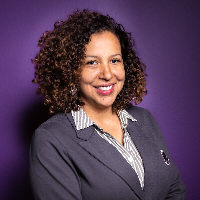
About Angela
Her sessions are practical and conversational. Angela listens closely and adapts what she does to each person. She avoids stigmatizing labels and treats people with respect and compassion.
Angela draws on several approaches to fit a client’s needs. She uses client-centered methods to keep conversations focused on what matters most to the person. She also uses cognitive behavioral ideas to identify and change unhelpful thoughts and habits.
She has supported people dealing with grief, career stress, addictions, body image concerns, ADHD, and the effects of physical trauma or emotional abuse. She also helps with chronic illness, caregiving stress, and other health-related life changes.
Sessions may include short practical exercises, goal-focused planning, and space to tell and reframe personal stories. Angela aims to empower people to manage symptoms, try new coping skills, and make choices that fit their values.
To begin, she asks people to share their current concerns and goals so a clear plan can be built together. Angela speaks English and Spanish and works from her Texas practice.
Areas of expertise
Primary focus
Also works with
Additional focus areas
Therapeutic approaches
Experience
15+ years
Credentials
Texas
Languages
English, Spanish
Approaches that translate well to online care
Client-centered therapy focuses on the person's experience and values, giving space for people to lead the conversation and set goals. This approach helps when someone needs support sorting priorities, making decisions, or building confidence.Cognitive behavioral therapy (CBT) looks at how thoughts, feelings, and behaviors connect. It uses practical exercises and small experiments to change unhelpful patterns, which can help with anxiety, depression, sleep, and stress management.
Finding the right mix of approaches is part of the work. The therapist will collaborate with each person to choose methods that match their goals and preferences, and will adjust the plan as progress is made.
Session formats are not listed in the provided biography, so confirm the current online options before booking. In general, online sessions can make it easier to fit counseling into a busy day, allow shorter check-ins when needed, and remove travel time. Many people find they can practice skills between meetings and bring those experiences back to sessions for focused problem-solving.
Frequently asked questions
What kinds of concerns does this therapist help with?
She helps people with stress, anxiety, depression, grief, self-esteem, addictions, relationship and intimacy issues, eating and sleeping problems, anger, career concerns, bipolar disorder, ADHD, and coping with life changes.
What is the therapist's general approach or style?
The approach is warm and interactive, focused on respect and sensitivity. Conversations are tailored to the individual's needs using collaborative goal-setting and practical exercises.
How much clinical experience does she have?
She has 15 years of experience working with adults, couples, and children and adolescents in a variety of concerns including trauma and emotional abuse.
What credentials and location are listed for this clinician?
She holds the LPC credential as a Licensed Professional Counselor and practices in Texas.
Which languages are supported in sessions?
Sessions are offered in English and Spanish. International clients are not currently accepted.
What session formats are available?
Session formats are not specified here; please confirm current options with the service before booking to know which formats are offered.
How do fees and billing work?
Costs vary with location and therapist availability, and sessions use a subscription model that can be canceled at any time.
How do I begin working with this therapist?
Use the Start Therapy button, complete a short matching questionnaire, and then schedule sessions according to the therapist's availability.