- Relationship focus
- Music-based tools
- LGBTQ affirming
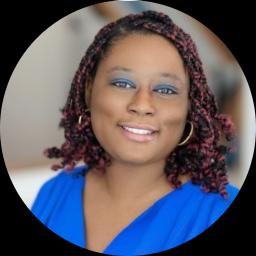
About Brittany
She draws on nine years in the mental health field and blends talk-based work with creative tools when helpful. As a board-certified music therapist, she sometimes uses musical expression to help with emotional processing and regulation. That can be useful when words don’t fully capture an experience.
Brittany often supports people navigating attachment concerns, commitment and communication problems, and the fallout from abandonment or dissociation. She also works with those facing chronic pain, illness, or caregiver stress, and provides LGBTQ-affirming and neurodivergent-affirming care. Her focus includes body image, codependency, and blended family adjustment issues.
Her manner is grounded and intentional. Sessions typically involve exploring patterns, building practical coping skills, and trying different ways to connect with others. She explains ideas plainly and tries interventions that fit each person’s life and goals.
Clients can expect an approach that balances emotional safety with concrete steps forward. Brittany aims to help people find clearer answers, steadier moods, and more satisfying relationships over time.
Areas of expertise
Primary focus
Additional focus areas
Experience
9+ years
Credentials
District of Columbia, Georgia
Languages
English
How evidence-based approaches can work online
Many therapists combine established, evidence-based methods with creative tools to meet each person’s needs. One common approach focuses on emotion processing and building skills to tolerate strong feelings; it helps with trauma, grief, and emotional overwhelm by teaching ways to name and regulate emotions. Another approach emphasizes connection patterns and attachment - it looks at how early relationships shape current communication and commitment issues, and helps people try different interaction habits.Finding the right approach is a collaborative process. The therapist will talk with the client about their goals and preferences, try methods that match those needs, and adjust the plan over time. Clients and therapist work together to see what helps most in everyday life.
If you are considering online sessions, confirm the exact session formats before booking since they are not listed here. Online therapy can make it easier to fit appointments into a busy schedule, reduce travel time, and allow check-ins from different locations. Some formats require less bandwidth or let people do a shorter check-in when that better fits the day. Ask about available options when you start to find what will work best for your situation.
Frequently asked questions
What concerns does she address?
She supports people with relationship strain, trauma and abuse, grief, low self-esteem, and LGBTQ concerns. She also works with issues like attachment problems, chronic illness or pain, and caregiver stress.
How would you describe her therapy style?
Her style is warm and collaborative, combining talk therapy with creative expression when helpful. Sessions aim to be emotionally safe while also focusing on practical steps and clearer thinking.
What is her professional background?
She has nine years of experience in the mental health field and brings experience supporting teens, college students, adults, and couples. She also uses music-based methods alongside traditional therapy techniques.
What credentials and region does she practice in?
She is a licensed professional counselor, LPC, with licensure in Georgia and also holds DC LPC recognition. She practices in Georgia.
Which languages are sessions offered in?
Sessions are offered in English.
Can international clients work with her?
She is not currently accepting international clients.
How does cost and billing work?
Cost varies with location and therapist scheduling. Sessions use a subscription that can be canceled at any time.
What are the steps to begin therapy?
Start by selecting the Start Therapy button, complete a short matching questionnaire, and then schedule sessions according to the therapist's availability.