- 20 years experience
- Client-centered approach
- Works with trauma
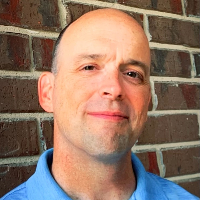
About Chris
He uses practical, goal-focused methods that fit the individual sitting across from him. Sessions are built around what the person needs, whether that means working on mood symptoms, coping with chronic illness, or addressing grief and caregiver strain. He aims to create a plan that feels useful and doable.
Over two decades of practice have included time in multiple states and a long record of supporting people through crises, victims of crime, and complex mood issues. That breadth of experience informs how he tailors strategies for each situation. The work tends to blend problem-solving, skills training, and emotional processing depending on the issue.
Chris emphasizes collaboration. He listens for what matters most, then offers concrete tools like thought-behavior techniques, emotion regulation skills, or structured approaches to relationship patterns. He checks in about what helps and adjusts as progress is made.
If someone is nervous about starting therapy, he acknowledges that worry and frames the first steps as small and manageable. The goal is steady forward movement toward clearer routines, healthier reactions, and better day-to-day functioning.
Areas of expertise
Primary focus
Also works with
Additional focus areas
Therapeutic approaches
Experience
20+ years
Credentials
Texas
Languages
English
How therapeutic approaches fit into online work
Chris commonly uses Cognitive Behavioral Therapy (CBT) and Dialectical Behavior Therapy (DBT) in his work. CBT focuses on identifying and changing unhelpful thoughts and behaviors to reduce symptoms like anxiety and depression. DBT teaches practical skills for emotion regulation, distress tolerance, and improving relationships, which can help with intense emotions and self-destructive patterns.He also draws on Emotionally-Focused Therapy (EFT) ideas when relationship patterns are central. EFT helps people name feelings and change interaction cycles so connections feel safer and more responsive. These approaches are described plainly and used as tools the client and therapist choose together.
Finding the right approach is part of the process. The therapist will work collaboratively to match methods to the client's needs, goals, and preferences. Sessions often blend techniques so the plan shifts as progress is made and new issues arise.
The biography does not list specific online session formats, so confirm current options before booking. Online work can make it easier to fit therapy into a busy life, reduce travel time, and allow shorter check-ins when schedules demand. It also lets people practice skills in the kinds of settings where they need them most, then bring those experiences back into session for review.
Frequently asked questions
What concerns does Chris address?
He helps people with stress, anxiety, depression, bipolar disorder, addictions, trauma and abuse, relationship and family concerns, grief, chronic illness, caregiving stress, and related issues.
How would he describe his therapeutic style?
He uses a client-centered style that values the person's priorities and builds practical steps toward goals. Techniques are adapted to the individual's needs.
What kind of experience does he bring?
Chris has 20 years in the mental health field, including more than 10 years practicing in Texas and prior experience in other states.
What credentials and region are listed?
He is a Licensed Professional Counselor, LPC, practicing in Texas.
Which languages are used in sessions?
Sessions are offered in English.
What session formats are available?
The original biography does not specify session formats; please confirm current session options before booking.
How are fees handled?
Cost varies with location and therapist availability, and sessions use a subscription that can be canceled at any time.
How do I begin working together?
Start by selecting the Start Therapy button, completing a short matching questionnaire, and scheduling according to the therapist's availability.