- Integrative approach
- Values focused
- Trauma informed
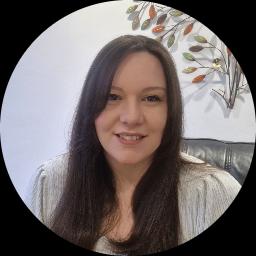
About Claire
Her way of working is integrative and tailored to each person. She draws on Acceptance and Commitment Therapy, Cognitive Behavioural Therapy, Attachment-Based ideas, Client-Centred principles and existential questions as useful tools. That mix is used to suit the problem at hand rather than follow a fixed script.
Sessions focus on practical steps people can try between meetings as well as looking at patterns that keep problems going. Claire often uses mindfulness and exploration of values to help people cope with difficult feelings and decide what matters most to them. She also pays attention to early relationships and how they shape current reactions.
With five years' experience, Claire aims to support people through change and loss, and to help rebuild day-to-day coping. She frames sessions around the person's goals and pace, offering a respectful space to talk things through. If someone wants to work on boundaries, communication, or managing powerful emotions, she helps them shape realistic next steps.
Her professional registration is BACP, which is shown as BACP. Sessions are offered in English and arrangements are made through the site's matching and booking process.
Areas of expertise
Primary focus
Also works with
Additional focus areas
Therapeutic approaches
Experience
5+ years
Credentials
BACP · United Kingdom
Languages
English
Therapeutic approaches and how they work online
Acceptance and Commitment Therapy helps people notice difficult thoughts and feelings without being driven by them, and to take steps that align with what they value. It can help with anxiety, depression and coping with long-term health or life changes.Attachment-Based Therapy looks at how early relationships shape current patterns of closeness and trust. This approach can be useful for intimacy concerns, abandonment issues and relationship communication problems.
Cognitive Behavioural Therapy helps people spot unhelpful thinking and try out different behaviours to change how they feel. It often includes practical exercises and short experiments between sessions to build new habits.
Finding the right approach is a collaborative process. The therapist will discuss goals, preferences and what has or hasn't worked before. Together they will try methods that fit the person's needs and adjust the plan if something does not feel helpful.
Online therapy can make it easier to fit sessions into a busy life, whether someone needs shorter check-ins or wants to avoid travel. It can also allow people to work with a therapist from their region without commuting. Confirm the available session formats before booking so arrangements match practical needs rather than assumptions.
Frequently asked questions
What concerns does Claire commonly help with?
She works with stress, anxiety, depression and coping with life changes alongside relationship and intimacy issues, addiction, grief and trauma recovery.
What is Claire's therapeutic style like?
Her style is integrative and person-focused, blending techniques from ACT, CBT, attachment work, client-centred and existential approaches to match each person's needs.
How much clinical experience does she have?
Claire has five years of professional experience working with a range of concerns including trauma recovery and addiction.
What credential does Claire hold and where is she based?
She is listed with BACP and practises in the United Kingdom.
Which languages are offered for sessions?
Sessions are offered in English.
Can people outside the UK work with Claire?
She does not accept international clients at this time.
How are sessions paid for and what does it cost?
Cost varies with location and therapist availability; sessions use a subscription that can be cancelled at any time.
What are the first steps to begin therapy?
Use the Start Therapy button, complete the short matching questionnaire and then schedule sessions according to the therapist's availability.