- Practical coping skills
- Measurement driven care
- Collaborative planning
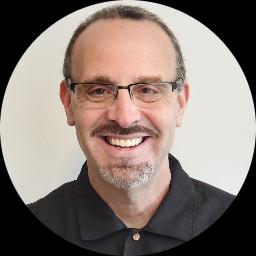
About David
He favors practical, evidence-informed approaches and blends methods to match each person’s situation. Sessions focus on skills people can use between meetings, and on separating what can be changed from what needs acceptance. The emphasis is on real-life tools - breathing, tracking moods, setting small goals, and trying different ways of responding to stress.
Dr. Goodman uses testing tools to map concerns and measure progress over time. He aims to make results easy to see, so people notice when things shift. He also pays attention to attachment patterns and how past relationships shape present reactions.
Clients should expect collaborative planning. The therapist explains options, outlines steps, and checks in about what’s working. He encourages straightforward feedback and adapts plans when life changes affect priorities.
His style is pragmatic and respectful. The goal is to help people build coping skills, manage mood and behavior, and improve relationship patterns so daily life becomes more manageable and meaningful.
Areas of expertise
Primary focus
Also works with
Additional focus areas
Therapeutic approaches
Experience
29+ years
Credentials
Wisconsin
Languages
English
How certain approaches translate to online work
Acceptance and Commitment Therapy (ACT) helps people notice painful thoughts and feelings without getting stuck in them, then pick actions that match their values. It can be useful for anxiety, depression, and coping with long-term health issues. Cognitive Behavioral Therapy (CBT) focuses on identifying unhelpful thinking patterns and testing different behaviors to reduce symptoms like worry and low mood. It often includes homework such as tracking thoughts and trying small experiments between sessions. Attachment-Based Therapy looks at how early relationship patterns affect current bonds and responses; it helps people see and change repeated interaction cycles that fuel conflict or distance.Finding the right approach is part of the work. The therapist will talk with the client about goals and preferences, then recommend methods to try together. Plans are adjusted over time based on what helps most, so clients take an active part in choosing the path forward.
Because the biography does not list specific session formats, confirm available online options before booking. In practice, online therapy can make it easier to fit sessions into a busy week, allow shorter check-ins when needed, and remove travel time. Therapists can still use skill coaching, mood tracking, and structured exercises effectively in remote sessions, helping clients apply new habits in everyday life.
Frequently asked questions
What concerns does this therapist address?
He supports adults with stress, anxiety, depression, bipolar symptoms, addictions, relationship and family issues, grief, trauma and abuse, parenting challenges, ADHD, and living with health challenges.
What is his general therapy style?
The approach is straightforward and practical, emphasizing skills people can use between sessions and collaborative planning tailored to individual needs.
How much experience does he have?
He brings 29 years of clinical experience working with adults on a wide range of mental health and life concerns.
What credentials and location are listed?
He is listed as WI Psychologist 2581-57 and practices from Wisconsin.
Which languages and international options are available?
Sessions are offered in English, and he accepts international clients.
What session formats are offered?
Please confirm current session options before booking, as the biography does not list specific formats and arrangements can vary.
How does cost and billing work?
Cost varies with location and therapist availability; sessions use a subscription that can be canceled at any time.
How do I begin the process?
Use the Start Therapy button, complete a short matching questionnaire, and schedule sessions according to therapist availability.