- Focus on goals
- Skills based
- Person centered
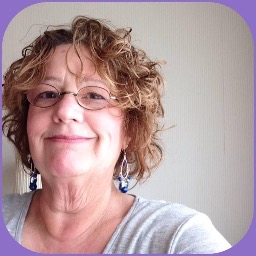
About Deborah
Her approach starts with listening and understanding a person's situation. She blends practical tools from cognitive behavioral work with acceptance-based ideas to manage difficult thoughts and feelings. She also pays attention to how relationships and life stages shape what someone is facing now.
Deborah earned a bachelor of social work from the University of Akron and a master of community counseling from Malone University. She also holds a master’s in philosophy and is completing doctoral work at Walden University, with dissertation research on post-traumatic growth and military members.
Across her career she has worked in outpatient clinics, hospitals, home-based programs, disaster response teams, and overseas assignments supporting military communities. That variety has shaped an adaptive, practical way of working that fits different life situations.
In sessions she helps people set concrete goals, try behavior-based strategies, and build skills for coping with strong emotions. The focus is on making steady changes that feel meaningful and manageable for daily life.
Areas of expertise
Primary focus
Also works with
Additional focus areas
Therapeutic approaches
Experience
25+ years
Credentials
Ohio
Languages
English
How therapy approaches translate online
Acceptance and Commitment Therapy, or ACT, helps people notice unhelpful thoughts and choose actions that match their values. It can help with anxiety, chronic illness adjustment, and coping with life changes by building willingness to face hard feelings while staying focused on what matters. Cognitive Behavioral Therapy, or CBT, breaks problems into thoughts, feelings, and behaviors and uses practical exercises to change patterns that keep someone stuck. CBT is useful for anxiety, depression, sleep problems, and many daily stresses. Attachment-Based Therapy looks at how early relationships affect current feelings and behavior and can help when relationship patterns or attachment wounds contribute to distress.Finding the right approach is part of the work. The therapist will talk with the client about goals, preferences, and what has or hasn’t helped before. Together they will pick or blend methods that fit the person’s needs and adjust them over time.
The biography does not list specific online formats, so confirm available session options before booking. Online therapy can make it easier to fit counseling into a busy day, offer shorter check-ins when needed, and remove travel time. It also lets people keep continuity of care across moves or changing schedules. Licensed professionals can adapt ACT, CBT, and attachment-based exercises for virtual sessions so the work remains practical and goal focused.
Frequently asked questions
What kinds of concerns does she help with?
She works with stress, anxiety, depression, trauma and abuse, grief, addictions, ADHD, and many life-change issues including chronic illness and caregiver stress.
What is her therapeutic style like?
Her style is person-centered and practical, combining acceptance and cognitive-behavioral techniques to set goals and teach coping skills.
How much experience does she have?
She brings 25 years of clinical experience from outpatient care, hospitals, home-based programs, disaster teams, and overseas work with military communities.
What credentials and location apply to her practice?
She holds the credential LPCC and practices in Ohio.
Are sessions offered in other languages or internationally?
Sessions are offered in English and she does not accept international clients.
What session formats are available?
The original biography does not specify session formats; confirm current session options before booking.
How does cost and billing work?
Cost varies with location and therapist availability; sessions use a subscription that can be canceled at any time.
How do I begin working with her?
Select the Start Therapy button, complete a short matching questionnaire, and schedule according to therapist availability.