- Goal focused
- Multicultural care
- Trauma informed
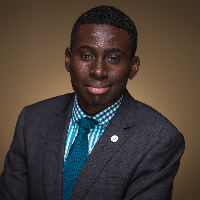
About Emmanuel
He uses clear, practical strategies in sessions. He listens first, then works with each person to set goals that make sense for day-to-day life. Sessions focus on what the person wants to change, like handling cravings, easing panic, repairing communication, or coping with illness and medical challenges.
His background includes work in clinics, schools, prisons, and both inpatient and outpatient treatment settings. That variety informs a flexible style that fits different needs and life circumstances. He has experience supporting adults, adolescents, and children and has worked on issues involving family relationships and blended households.
Dr. Oppong blends several approaches to match each person's goals. He uses client-centered methods to build trust, cognitive behavioral tools to change thinking and behavior, mindfulness to manage stress, motivational interviewing to support change, and EMDR for trauma processing when appropriate.
People who choose him can expect practical steps, straightforward talk, and collaborative planning. He invites clients to set the pace and keeps sessions focused on real problems and small, achievable changes.
Areas of expertise
Primary focus
Also works with
Additional focus areas
Therapeutic approaches
Experience
11+ years
Credentials
Minnesota
Languages
English, Akan, Twi
Online approaches and how they help
Dr. Oppong uses client-centered work, cognitive behavioral therapy, and EMDR in ways that translate well to talking remotely. Client-centered work focuses on listening and building a strong working relationship so clients feel heard and understood. Cognitive behavioral therapy looks at patterns of thought and behavior and teaches practical exercises to reduce anxiety or change habits. Eye movement desensitization and reprocessing (EMDR) is a structured approach for processing trauma that can be used when a client and therapist agree it fits their goals.Finding the right approach is part of the process. He will talk with each client about their needs and goals and then choose or combine methods that fit. That collaborative planning means the work can shift as progress is made or priorities change.
The main practical benefit of online sessions is flexibility. Remote sessions can make it easier to fit therapy around work, medical appointments, or caregiving. They also allow people who live far from Minnesota or who are international clients to connect without travel. Because the biography does not list specific session formats, confirm the available options before booking to make sure they match your schedule and preferences.
Frequently asked questions
What kinds of concerns can be addressed in sessions?
He works with stress, anxiety, depression, addictions, trauma and abuse, relationship and family matters, grief, intimacy and self-esteem issues, career and coaching needs, and other listed focus areas.
How would you describe his therapeutic style?
Sessions are practical and collaborative, with active listening followed by tools and techniques aimed at meeting the client's goals.
What is his professional background?
He has 11 years of experience in clinics, schools, prisons, and inpatient and outpatient treatment settings, working with diverse populations.
What credentials and location are on record?
He holds the LPCC credential with registration in Minnesota and practices from that state.
Which languages are available for sessions?
Sessions are offered in English, Akan, and Twi, and he accepts international clients.
What session formats does he offer?
The original biography does not specify session formats, so confirm current session options before booking to be sure they meet your needs.
How are costs and billing handled?
Costs vary by location and therapist availability, and sessions use a subscription that can be canceled at any time.
How do I begin working with him?
Select the Start Therapy button, complete a short matching questionnaire, and then schedule according to therapist availability.