- Skill-based tools
- Relationship focus
- Works with grief
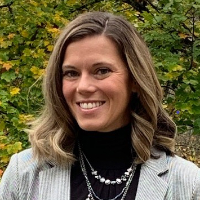
About Erika
She brings three years of counseling experience to her work and draws on several therapy styles to match a person's needs. In session she listens first, then helps set small, concrete goals. She works with common concerns such as stress, anxiety, grief, depression, sleep and eating issues, and addiction-related problems.
Erika also supports people coping with relationship and intimacy struggles, communication and commitment issues, blended family questions, and attachment or abandonment worries. She addresses caregiver stress, chronic pain or illness, cancer-related challenges, and the emotional impact of life changes and loss.
Her approach includes client-centered steps that prioritize the person’s perspective, attachment-based ideas for relationships, and cognitive behavioral techniques to change patterns that cause distress. Dialectical behavior strategies and emotionally-focused work are used when emotional regulation and connection are priorities.
Erika asks straightforward questions and offers practical exercises to try between sessions. She aims to help people develop tools for daily life, improve communication, and manage symptoms so they can move toward goals they care about.
Areas of expertise
Primary focus
Also works with
Additional focus areas
Therapeutic approaches
Experience
3+ years
Credentials
West Virginia
Languages
English
How her approaches translate to online therapy
Attachment-based work looks at how people connect and respond in relationships. It helps when relationship patterns, abandonment worries, or attachment issues cause distress and focuses on building safer, clearer ways of relating.Client-centered therapy places the person’s experience at the center. The therapist listens, reflects, and helps someone find their own solutions rather than imposing answers. This approach is useful for stress, grief, and navigating life changes.
Cognitive behavioral therapy (CBT) helps people identify unhelpful thoughts and try new behaviors to reduce symptoms like anxiety, depression, and sleep problems. It often includes simple exercises to practice between sessions.
Finding the right approach is part of the work. The therapist will collaborate with the person to decide which methods fit their goals and daily life. That choice can change over time as needs shift.
The practical benefits of online therapy include easier scheduling and fitting sessions into a busy week. Online work can make it simpler to check in on coping skills between appointments and to try homework without traveling. The original profile does not list specific session formats, so confirm current options before booking to ensure they meet your needs.
Frequently asked questions
What kinds of concerns does she address?
She helps with stress, anxiety, depression, grief, addictions, sleep and eating issues, and relationship or intimacy problems among other concerns.
How would you describe her therapy style?
Her style is practical and person-centered, combining attachment-based ideas with cognitive and behavioral techniques to set small, achievable goals.
What experience does she bring to sessions?
She has three years of counseling experience and uses multiple approaches to tailor care to each person’s needs.
What credentials and region are listed?
She holds the LPC credential and practices in West Virginia.
Which languages and international clients are supported?
Sessions are offered in English and international clients are not currently accepted.
What session formats are available?
The original profile does not specify session formats; please confirm current session options before booking.
How is cost handled for sessions?
Cost varies with location and therapist availability; sessions use a subscription that can be canceled at any time.
How do I begin working with this therapist?
To start, select the Start Therapy button, complete a short matching questionnaire, and schedule according to therapist availability.